在資訊與便利高度發展的今天,我發現自己與生活之間的距離正在逐漸拉遠。
小時候和家人一起去市場挑選蘋果時,我會感受它的重量、氣味與差異;
但現在,只需要透過手機,物件就可以被快速送到眼前。當越來越多事情被壓縮成螢幕上的操作,
人雖然獲得效率,卻也逐漸失去與物、空間及生活的真實接觸。
我們正從「物的時代」進入「資訊的時代」。當人被大量資訊包圍,注意力不斷被遠方的訊息吸引,
反而忽略了身邊真實發生的事件。當人對生活逐漸麻痺,建築是否能重新讓那些被忽略的事件被看見?
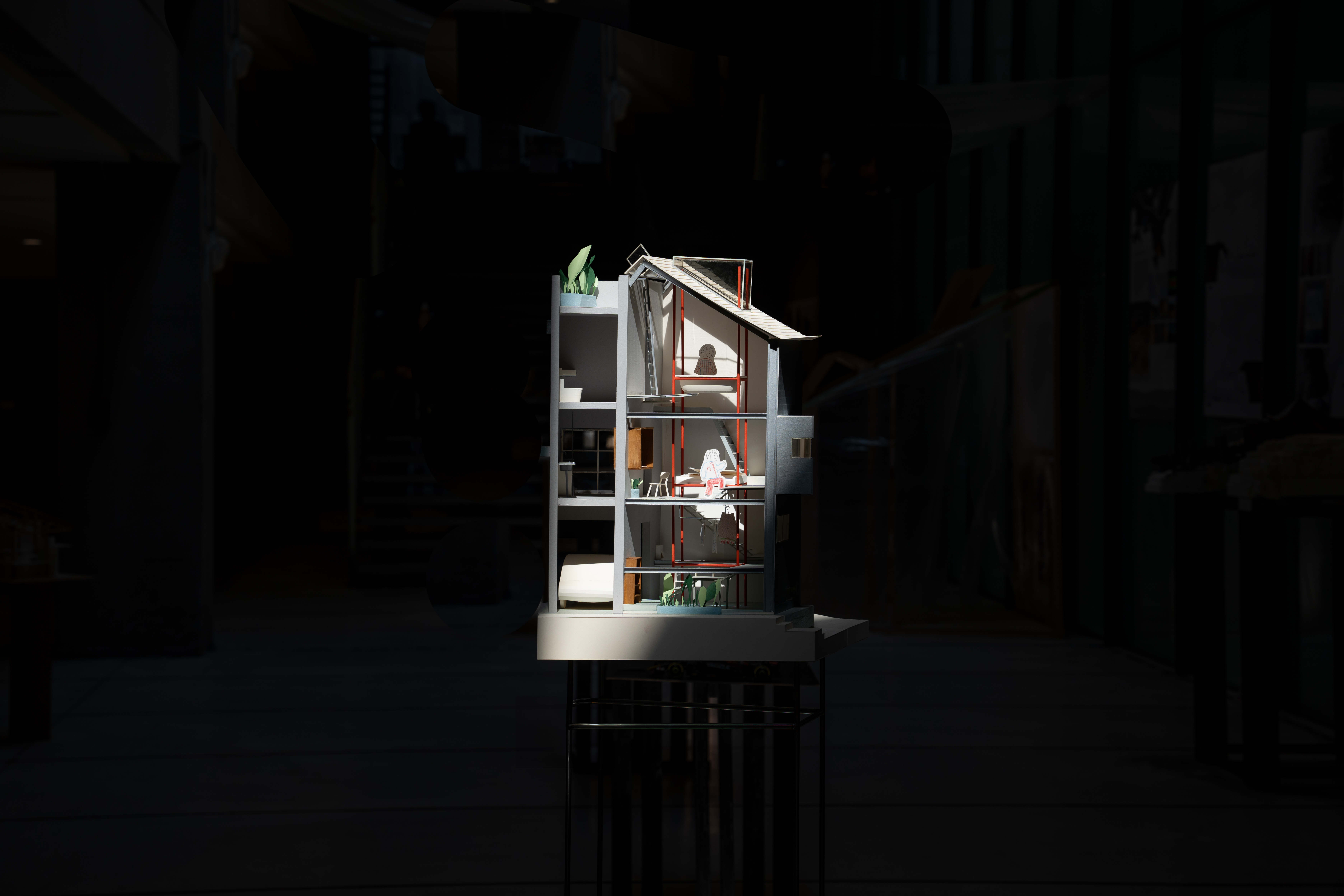
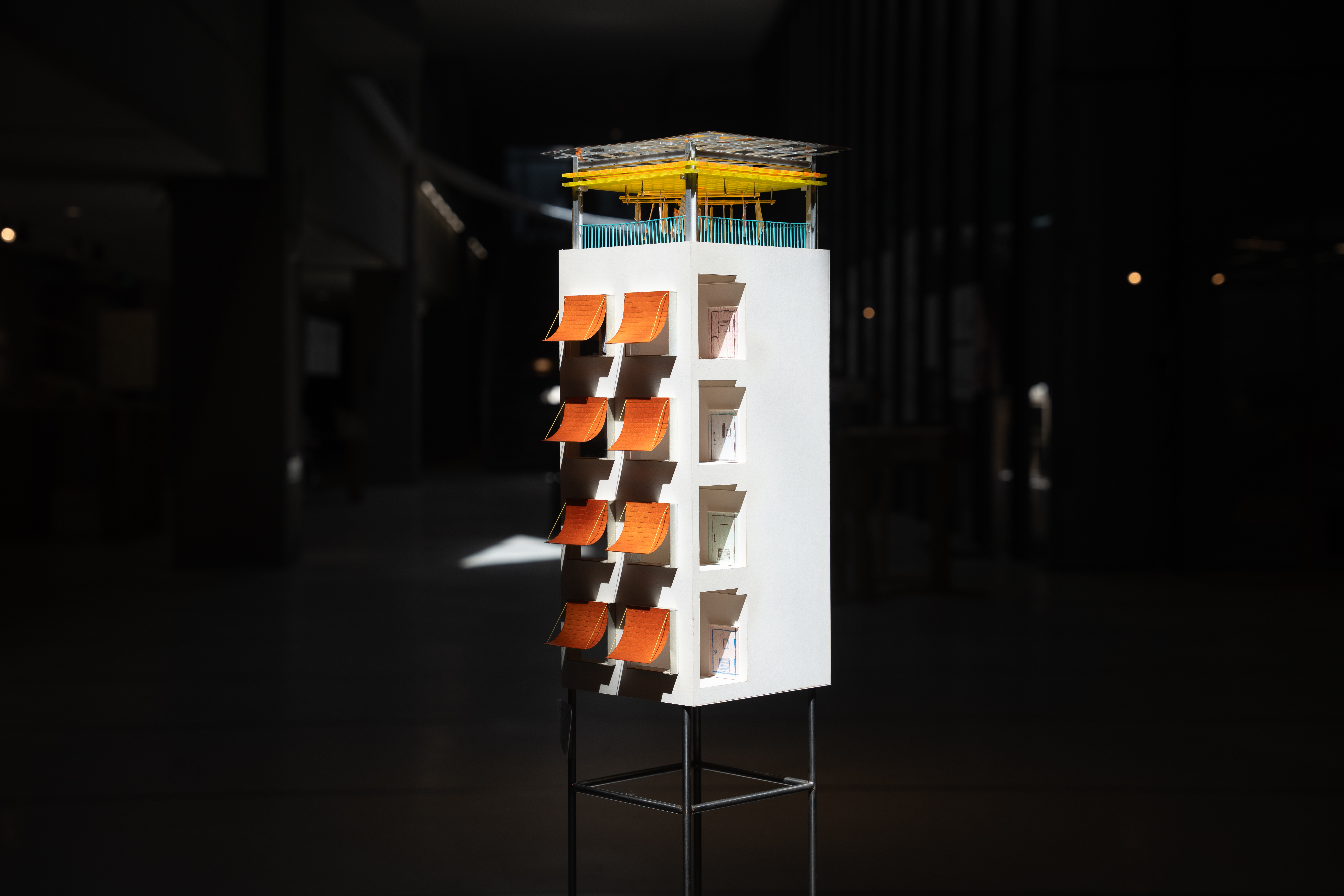
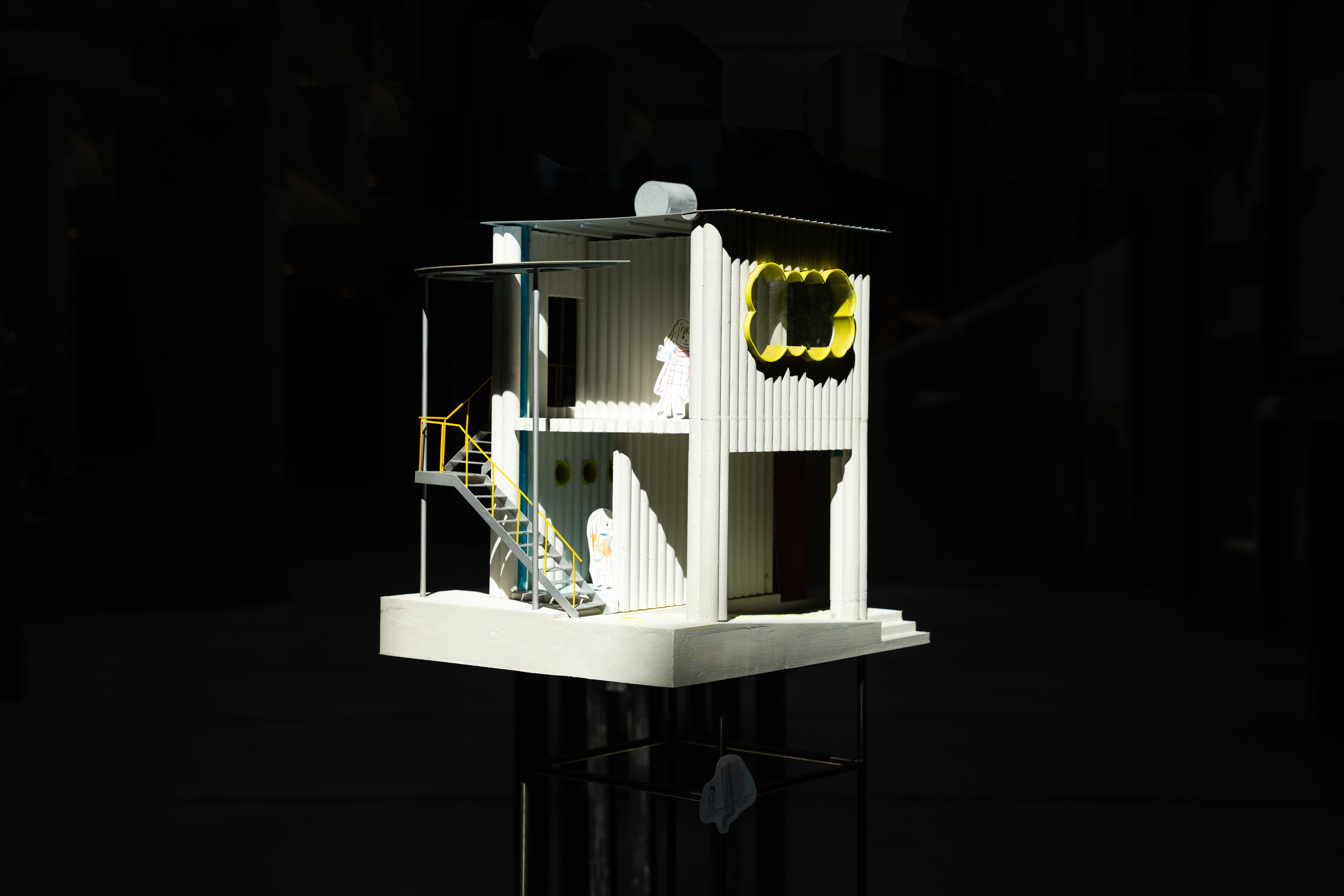
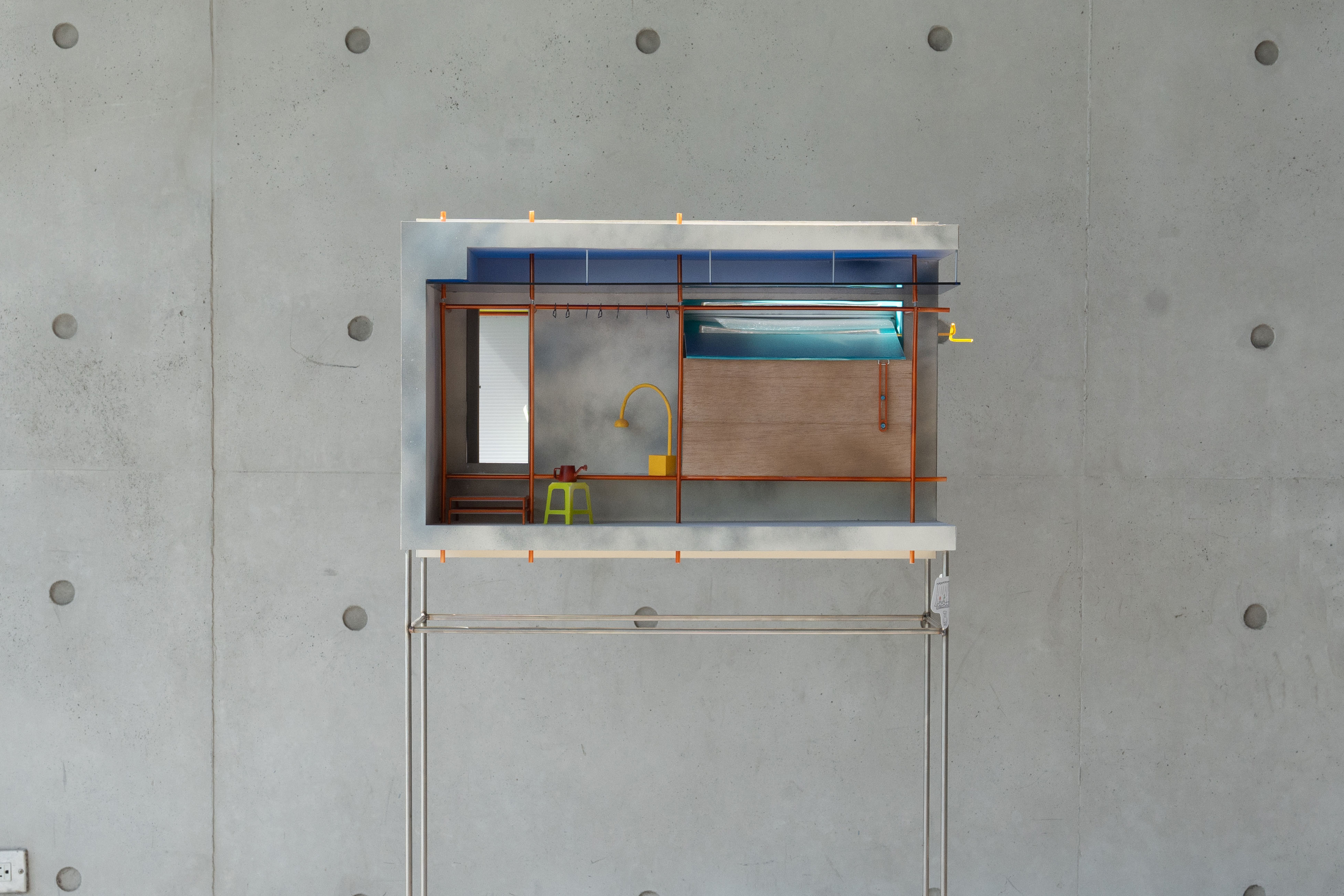
我的設計從自身的生活經驗出發,將睡眠、曬衣、潮濕、洗澡等日常煩惱作為對象。這些事
件看似微不足道,
卻持續影響著生活節奏。我嘗試讓事件不再只是空間中的背景,而是成為主導空間的角色。
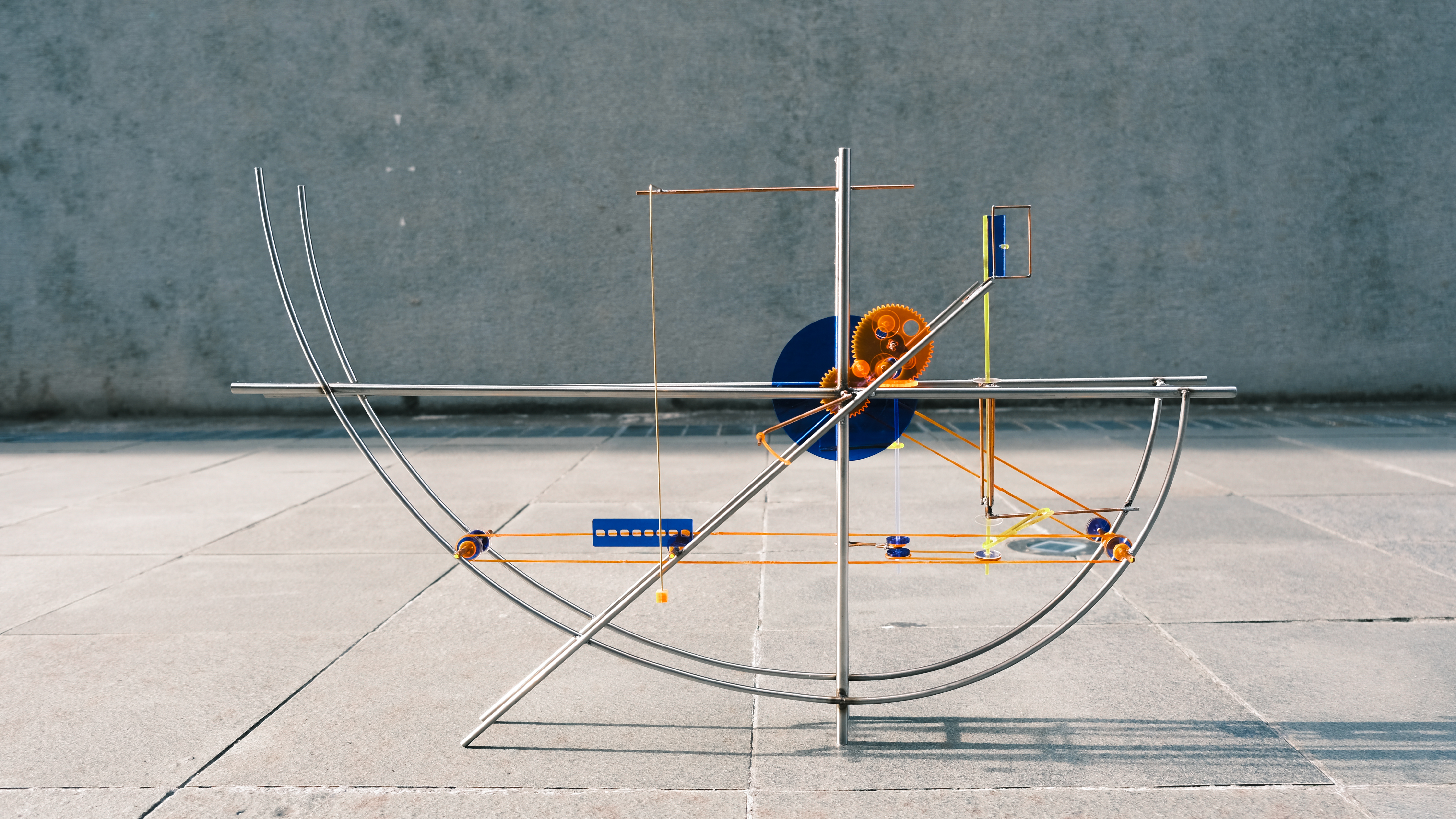
透過放大物件的重量、時間與狀態,讓原本被隱藏的生活過程直接介入建築,使空間隨著人的使用和事件的發生而改變。
我希望藉由這些被重新看見的日常,喚回人對生活的感知。建築不只是容納生活的容器,
還能成為一種提醒,提醒我們重新注意那些習以為常卻從未真正消失的生活重量。
–
Today, in an age of information and convenience, I find myself becoming increasingly disconnected from everyday life. As a child, I experienced the weight, smell, and uniqueness of objects. Today, they arrive with only a few taps on a screen. While technology has made life more efficient, it has also weakened our direct relationship with objects, space, and daily experience.
This project asks whether architecture can bring attention back to the ordinary events we have learned to ignore. Inspired by my own daily routines, I focus on seemingly trivial experiences—sleeping, drying clothes, humidity, and showering—that quietly shape the rhythm of life.
Rather than treating these events as the background of architecture, I make them active agents that transform space. By amplifying the weight, duration, and changing states of everyday objects, hidden domestic processes become visible and directly influence the spatial environment. Space continuously changes through both human activity and the events themselves.
I hope this project encourages people to rediscover the value of everyday life. Architecture is not only a container for living, but also a reminder to notice the ordinary moments and invisible weight of life that have always been there.