光的速度是3×10 8 公尺每秒,對於一個建構在這個速度之上的社會,
所有的事物似乎都在時間上被壓縮成了趨近於瞬間的過程,起因、推演、結果都彷彿爭搶在不到眨眼間的剎那完成,速度凌駕於一切。
人們所感知到的動態速度逐步增長。
各種交通運輸系統的轉承間隙是一種速度上純粹的空白,異質於都市運轉的空間,也是一個機會,
以空間形式介入並且扭轉對於等待既定意象的機會。
渡口是水陸交界,陸地活動的動態過渡到水體動態的過程,一個終止的速度由此誕生。
旗津是高雄的沙洲半島,是構成高雄港的一不可或缺的地理條件。
在島與城市之間,渡輪是連接城市與島之間具同步性質的一條樞紐,
這裡人們被迫停下腳步,疏離於城市,溶入集體,是某種異質於都市的極端存在。
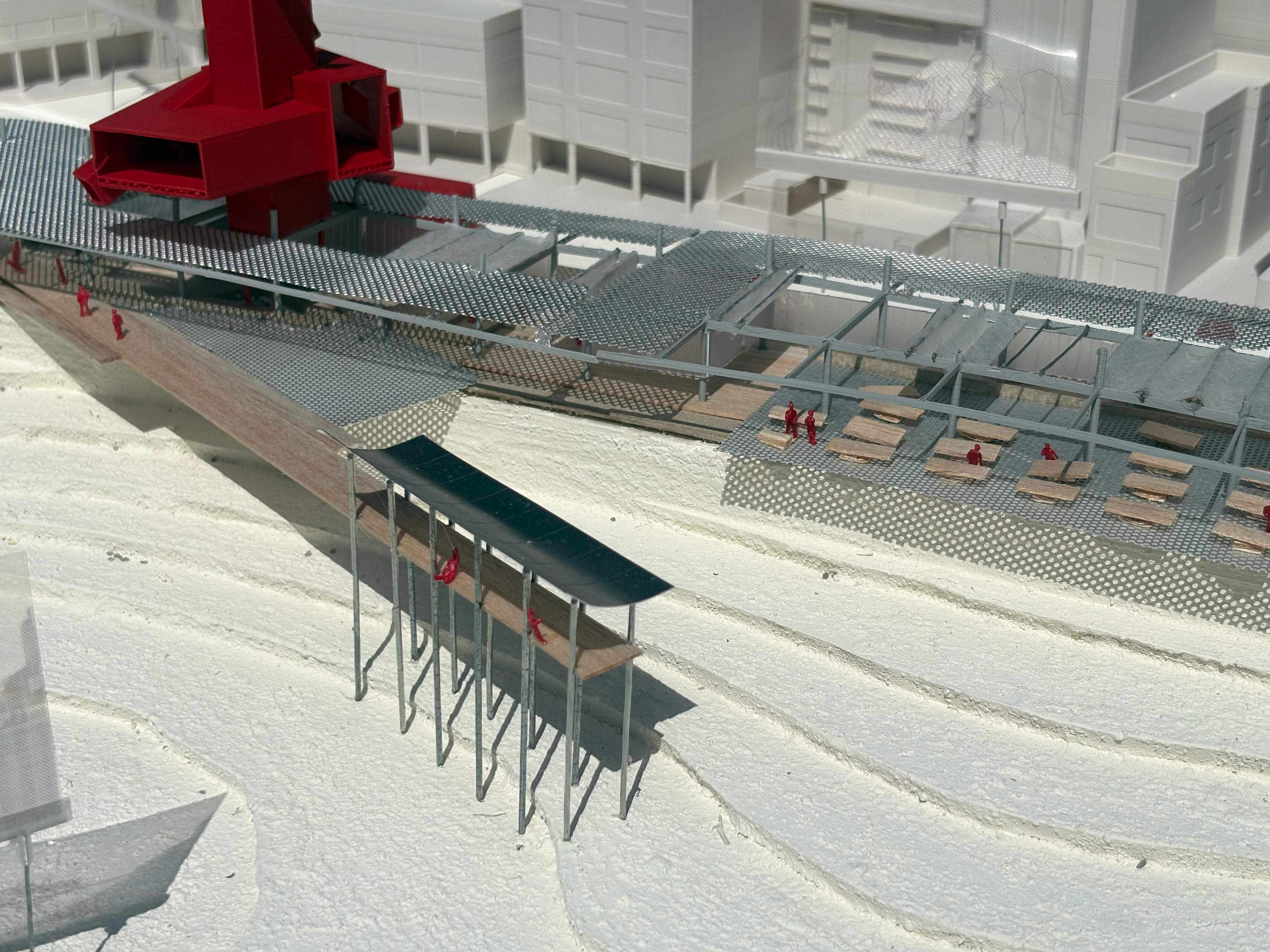
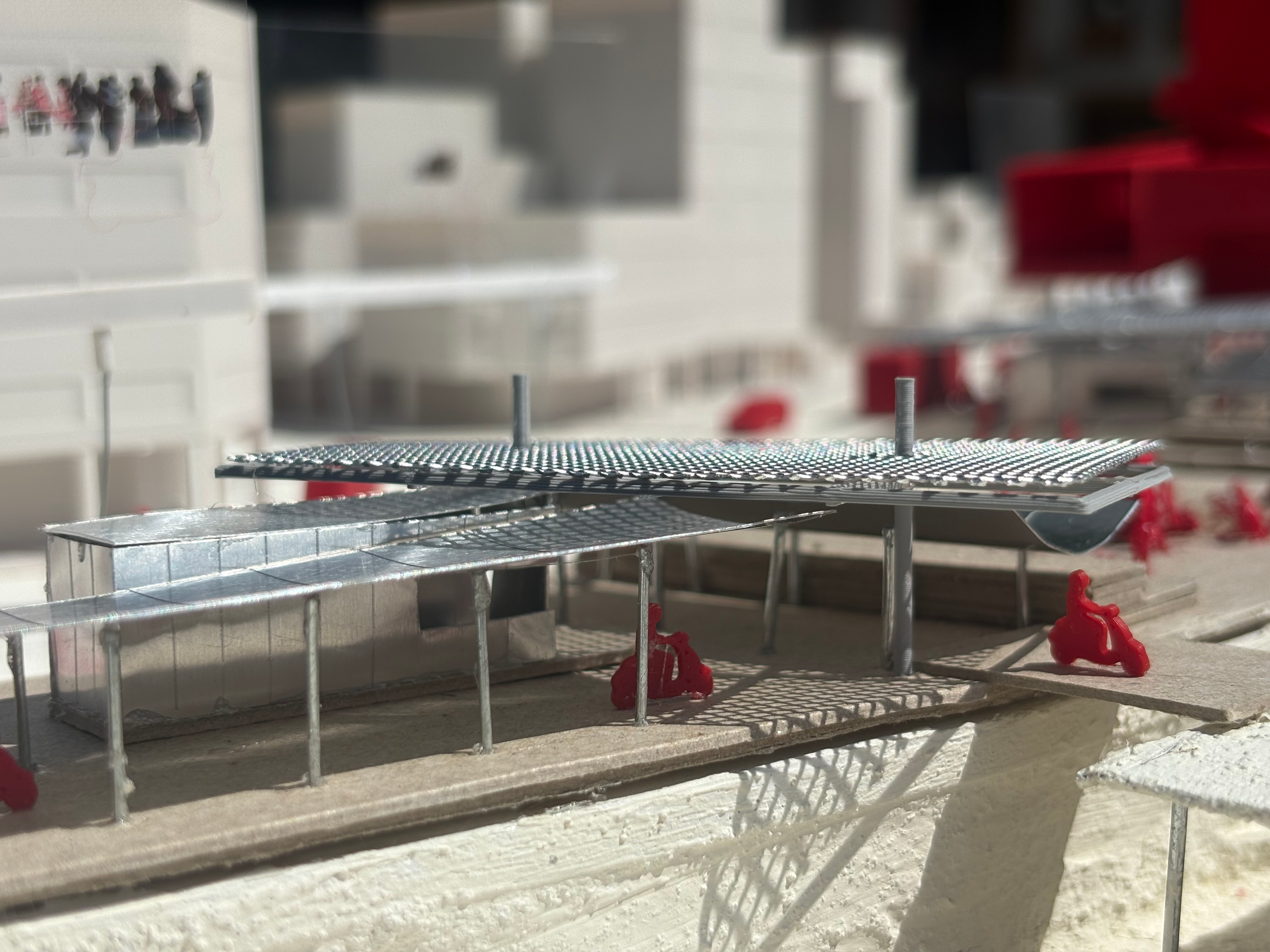
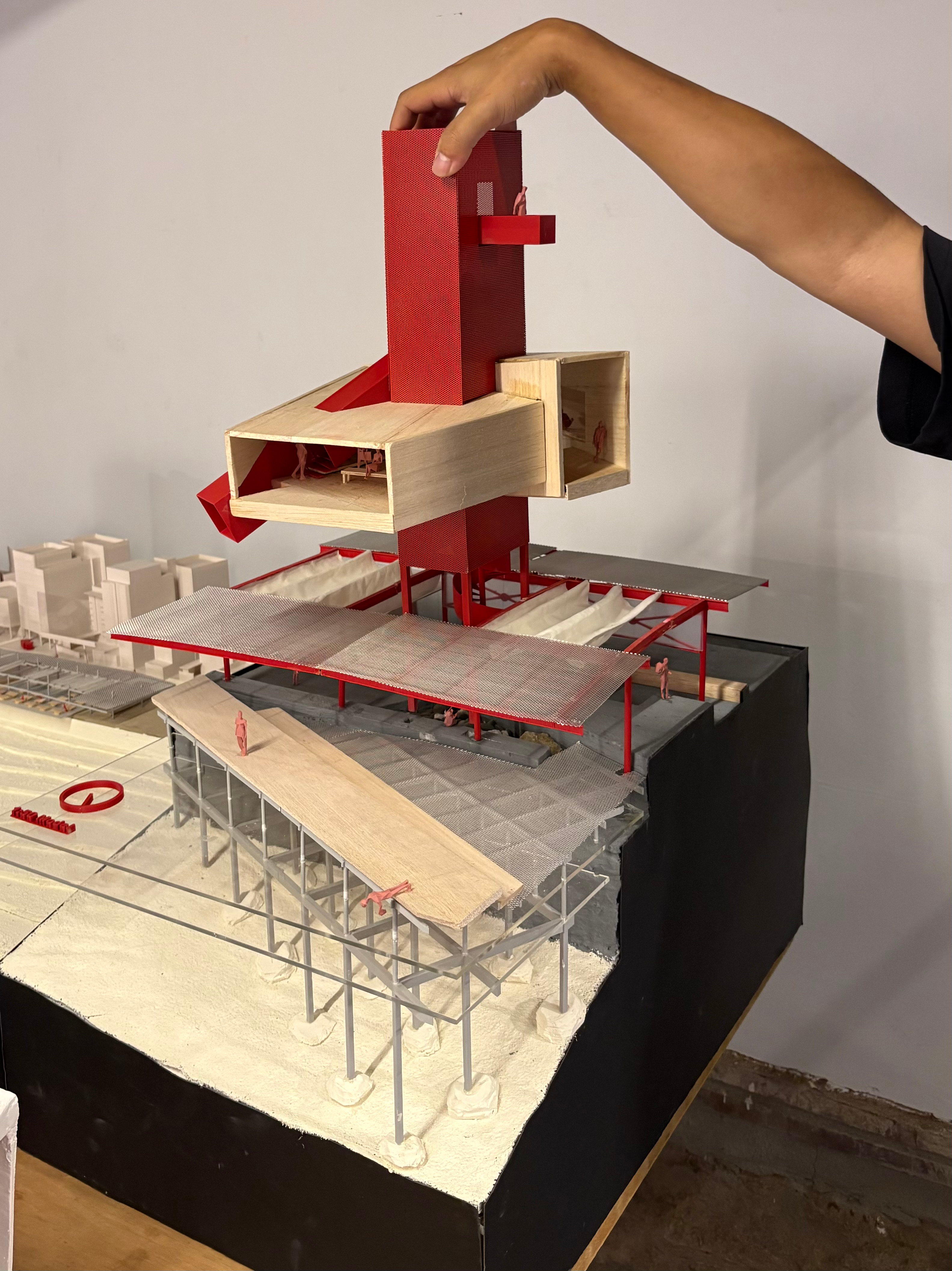
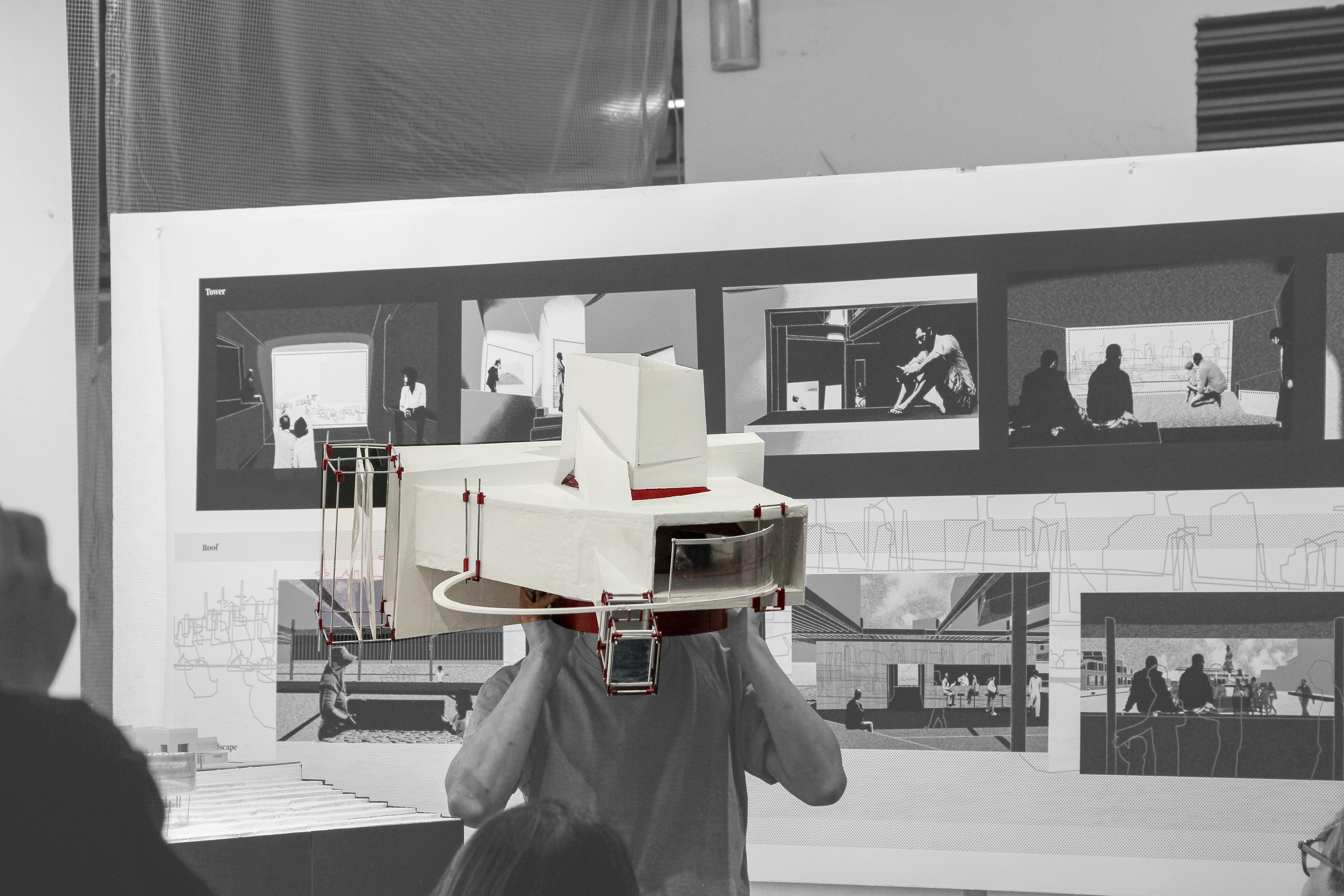
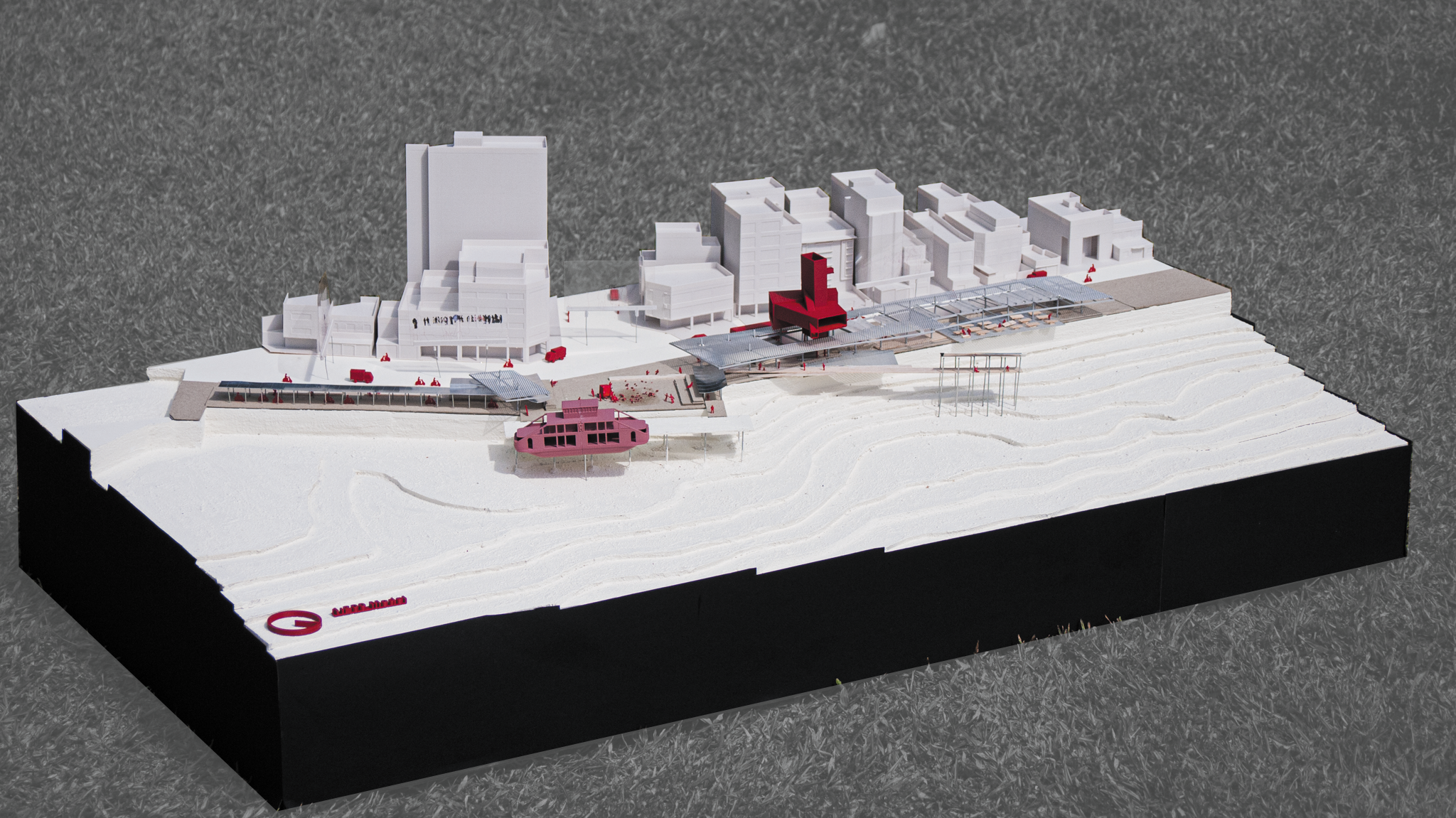
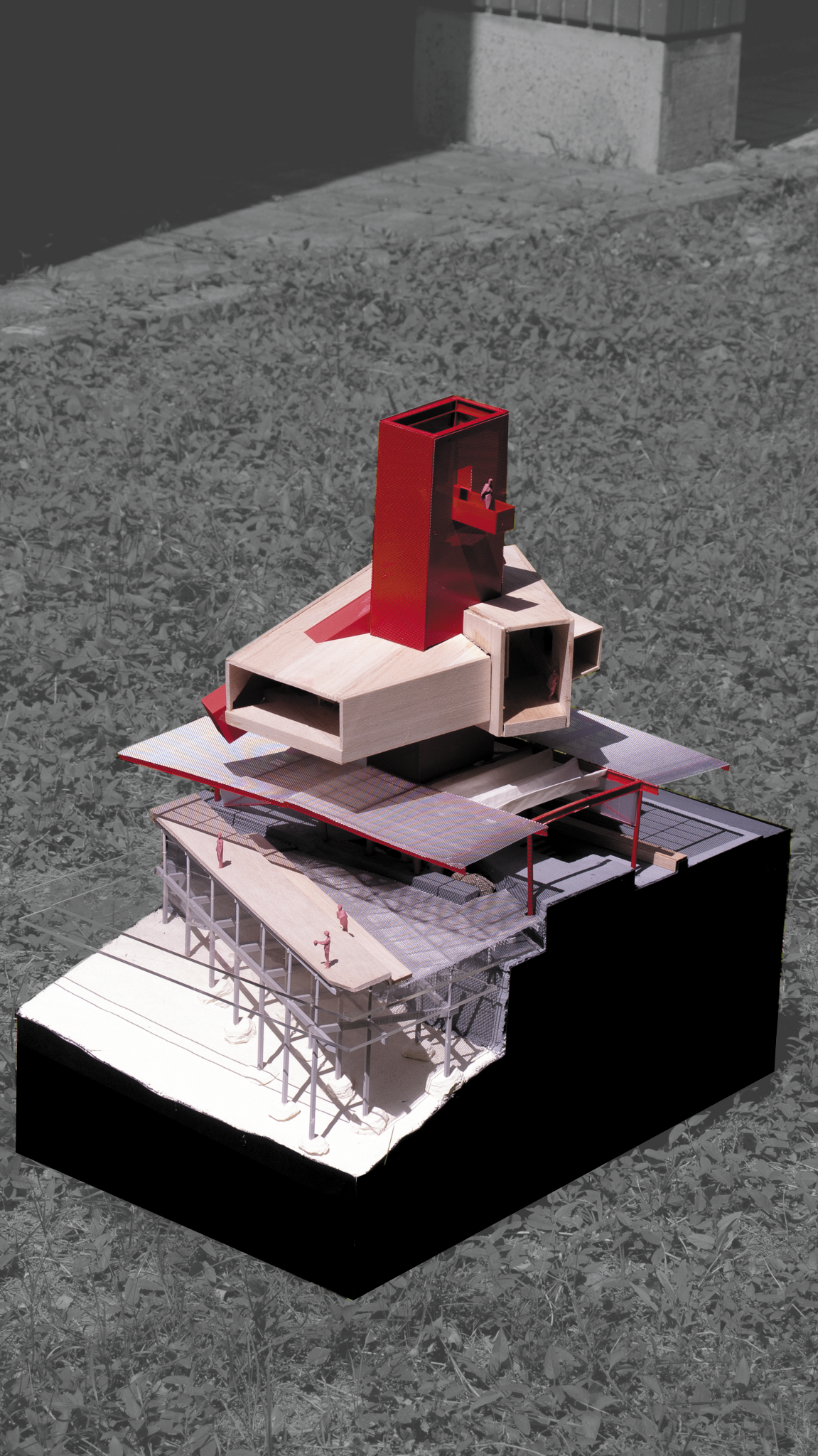
本設計透過重塑旗津渡口空間的構成,創造出一個得以讓居民與旅客得以在此活動、停留、等待的場域,
並且以空間元素的介入重新定義人們觀看交織於此的那些常民、信仰、通勤、觀光、船、機車、人的方式。
–
The speed of light is 3×10⁸ meters per second. For a society built upon this
speed, all things seem to be compressed in time into a process approaching
an instant. Causes, developments, and outcomes all seem to scramble to
complete themselves in less than the blink of an eye; speed overrides
everything. The dynamic speed perceived by people is gradually increasing.
The transitional gaps between various transportation systems represent a
pure void in terms of speed, spaces that are heterogeneous to the operation
of the city, and an opportunity—a chance to intervene through spatial forms
and reverse the established imagery of waiting. The ferry terminal is the
intersection of water and land, the process where the dynamics of land
activities transition into the dynamics of the water body, from which a
terminated speed is born.
Qijin is a sandbar peninsula in Kaohsiung and an indispensable geographical
condition that forms the Port of Kaohsiung. Between the island and the city,
the ferry is a synchronous hub connecting the city and the island; here, people
are forced to pause their steps, detach themselves from the city, and dissolve
into the collective. It is a kind of extreme existence, heterogeneous to the
urban environment.
By reshaping the spatial composition of the Qijin ferry terminal, this design
creates a domain where residents and tourists can engage in activities, linger,
and wait. Furthermore, through the intervention of spatial elements, it
redefines the way people observe the everyday citizens, beliefs, commuting,
sightseeing, boats, motorcycles, and people that interweave in this place.