昔日岡山生活隨阿公店溪漲落,如今隨著河道截彎取直與水庫興建,水流卻隱匿於地下管線,居民難以再直接感知環境與水資源的更迭。
因周邊屬泥岩地質,阿公店水庫每年雨季需進行「空庫防淤」排水清淤,
導致4,000萬噸淡水直排入海;大岡山地區卻面臨缺水,旱季須遠從旗山溪引水。
明明緊鄰水庫,果園卻只能看著水流失。
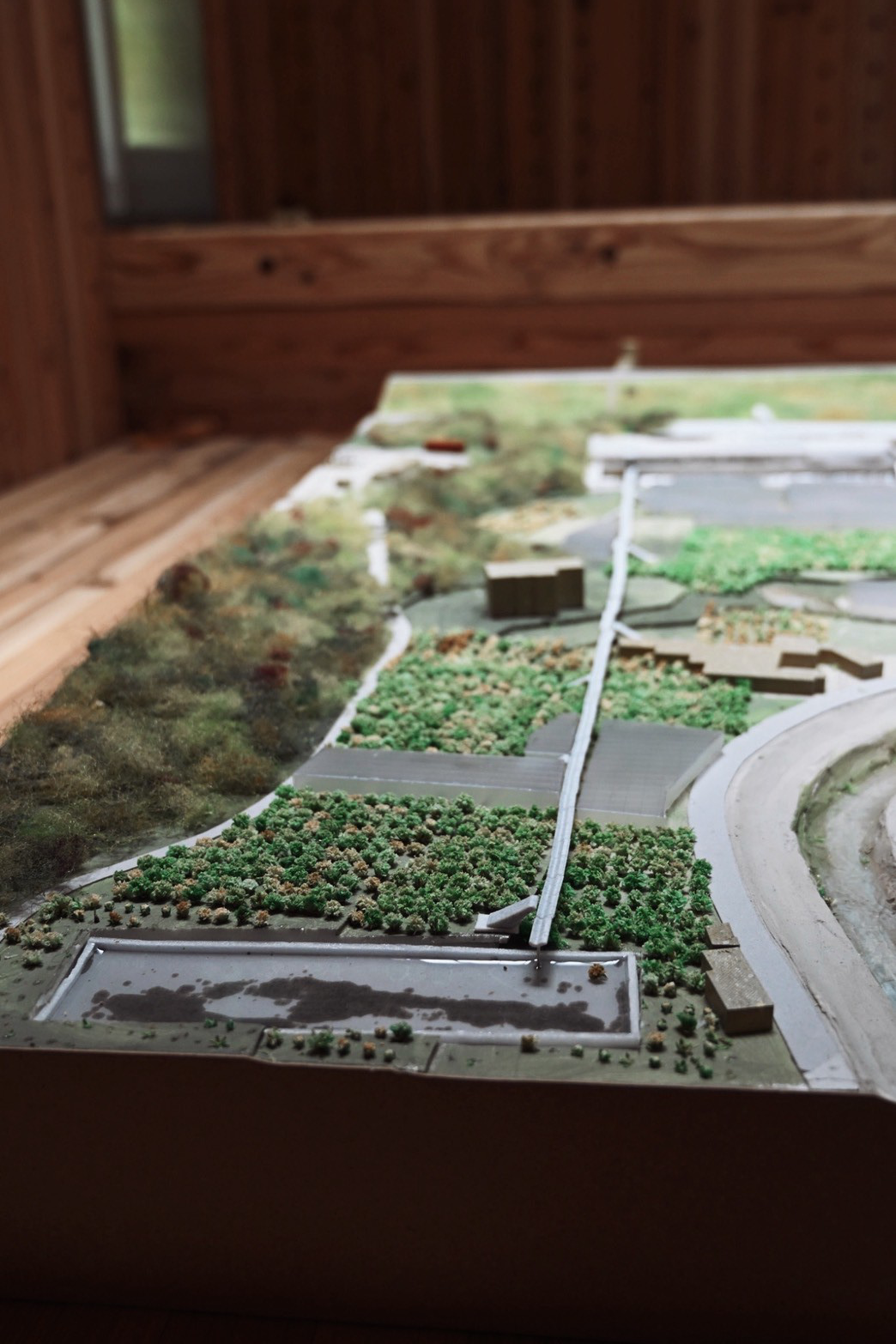
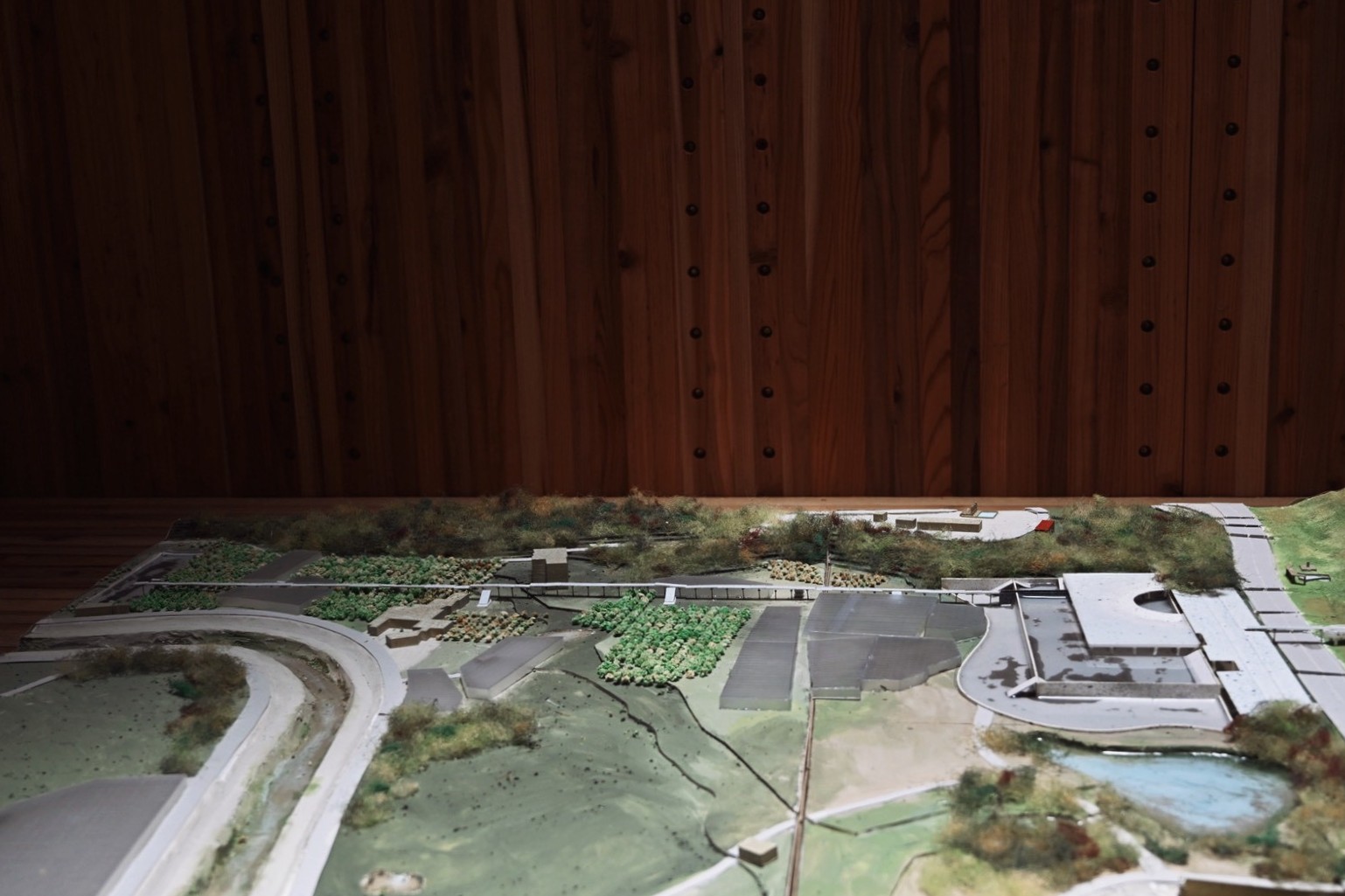
我提案在海拔31公尺處攔截這股「餘流」,構築微型水循環系統。
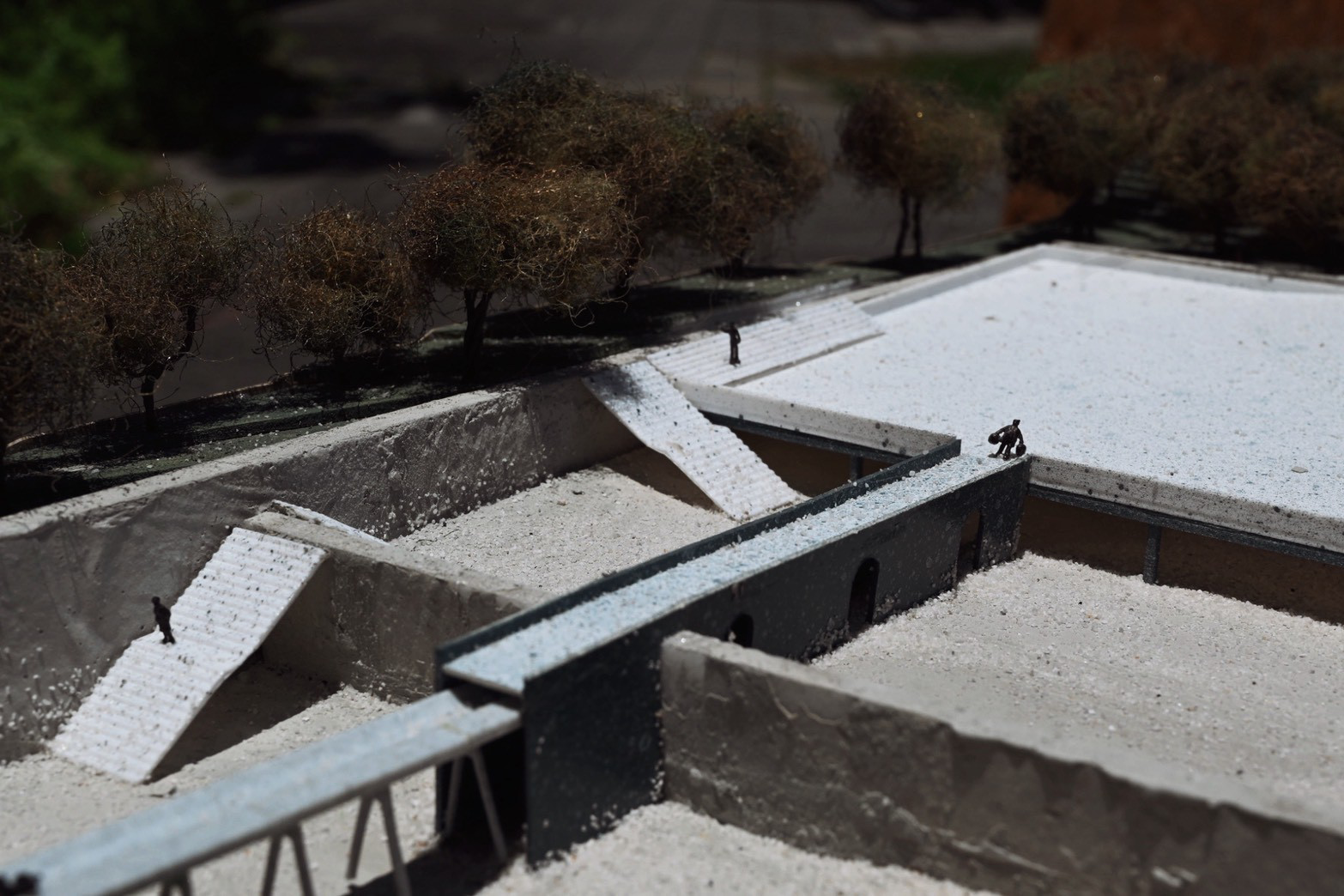
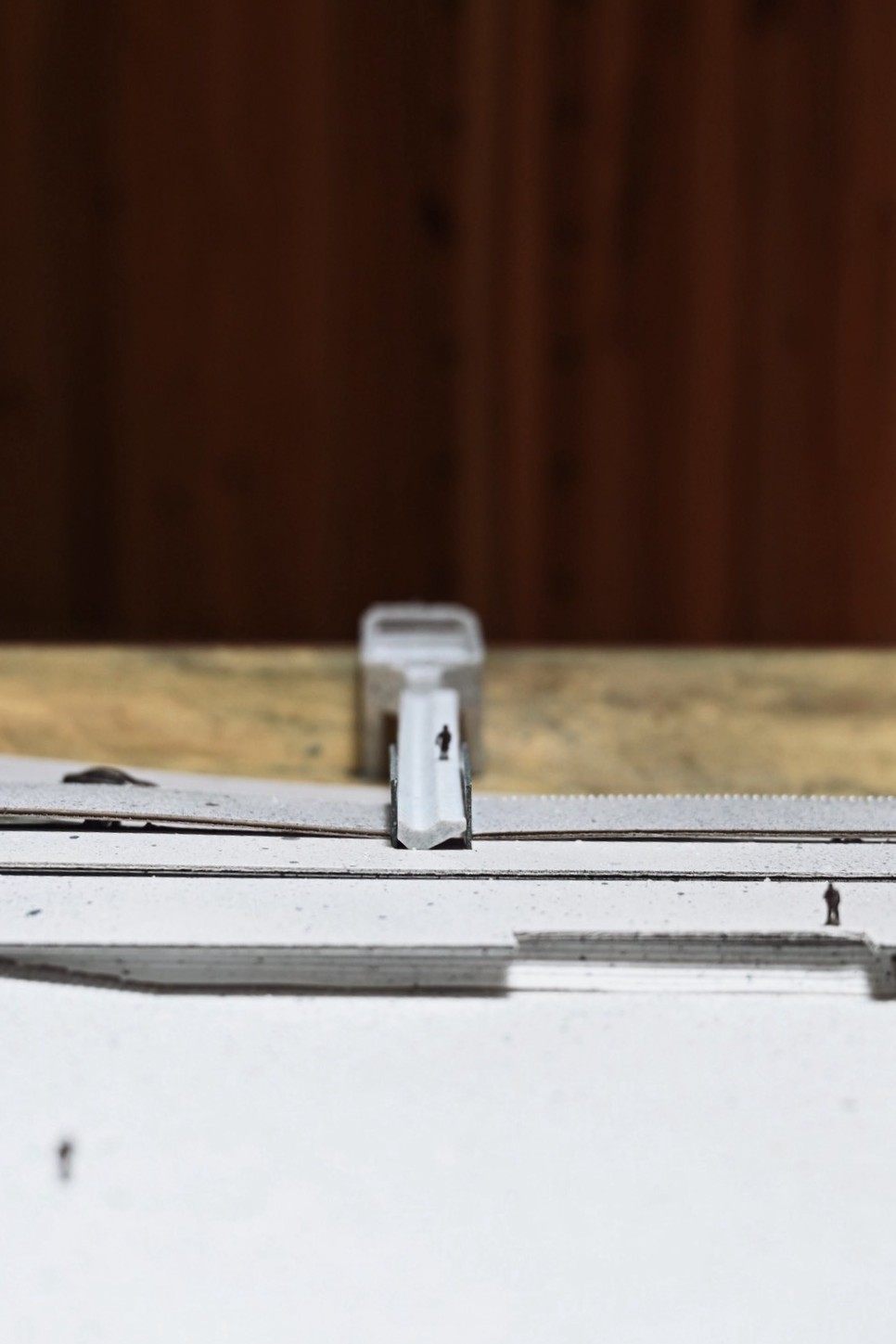
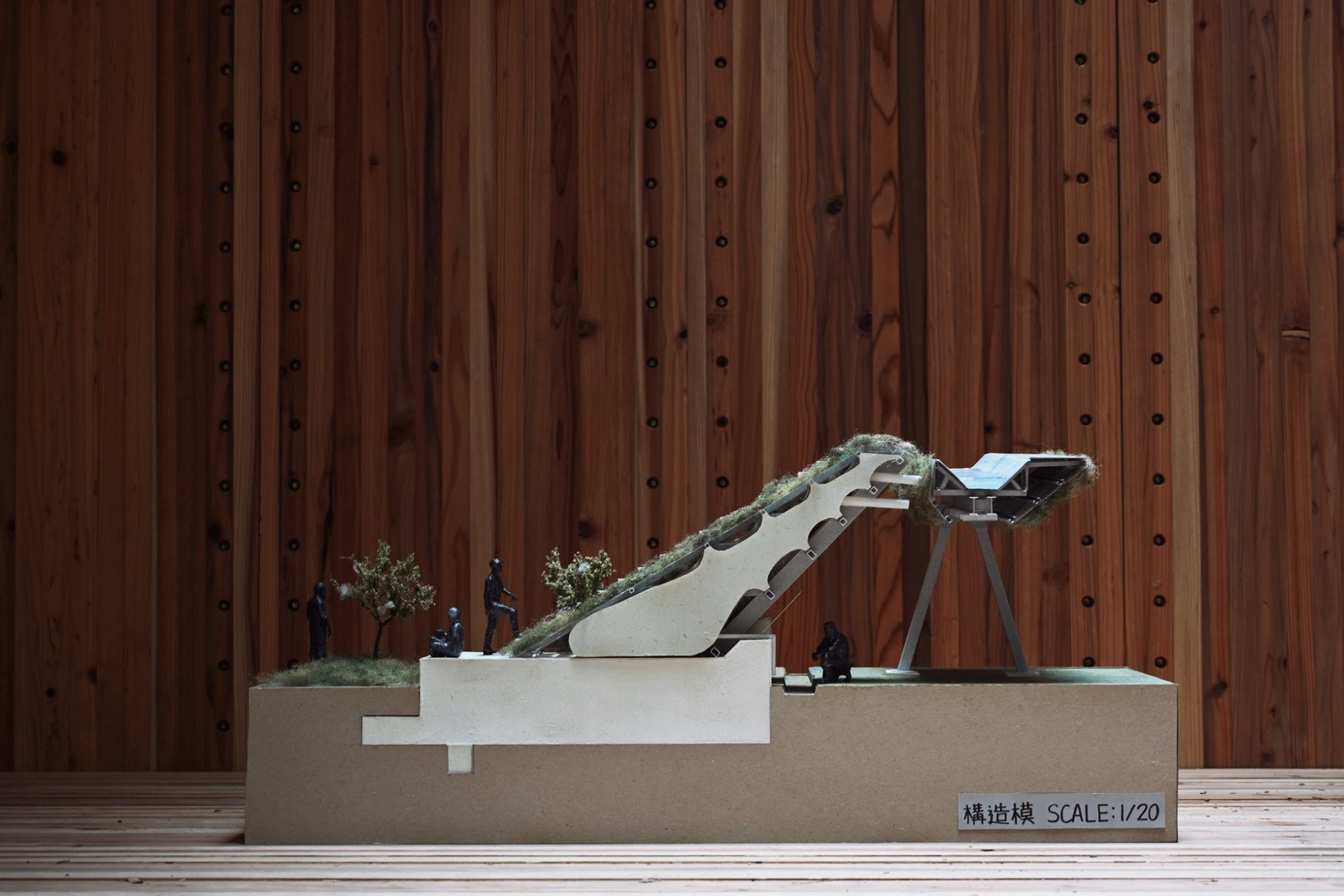
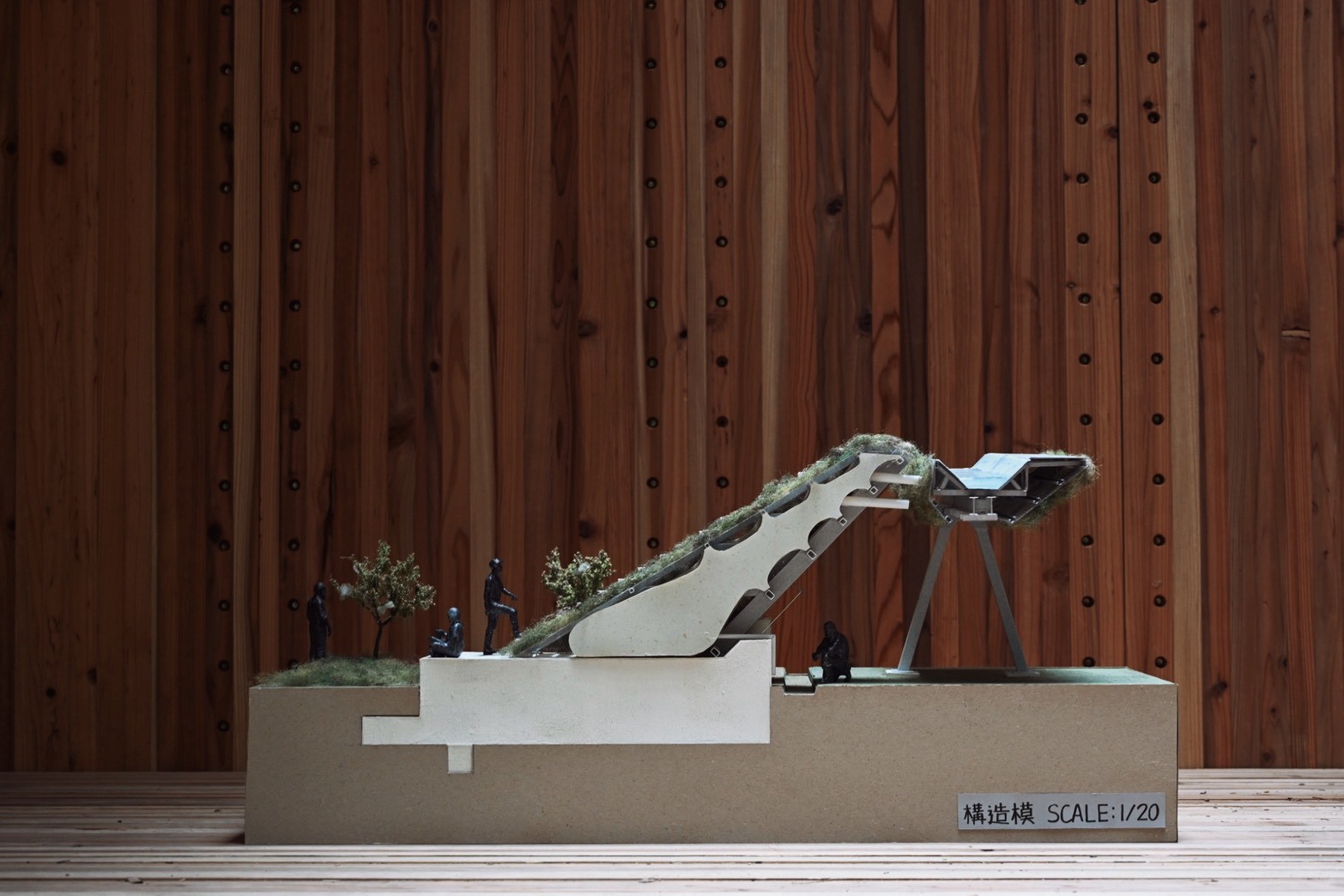
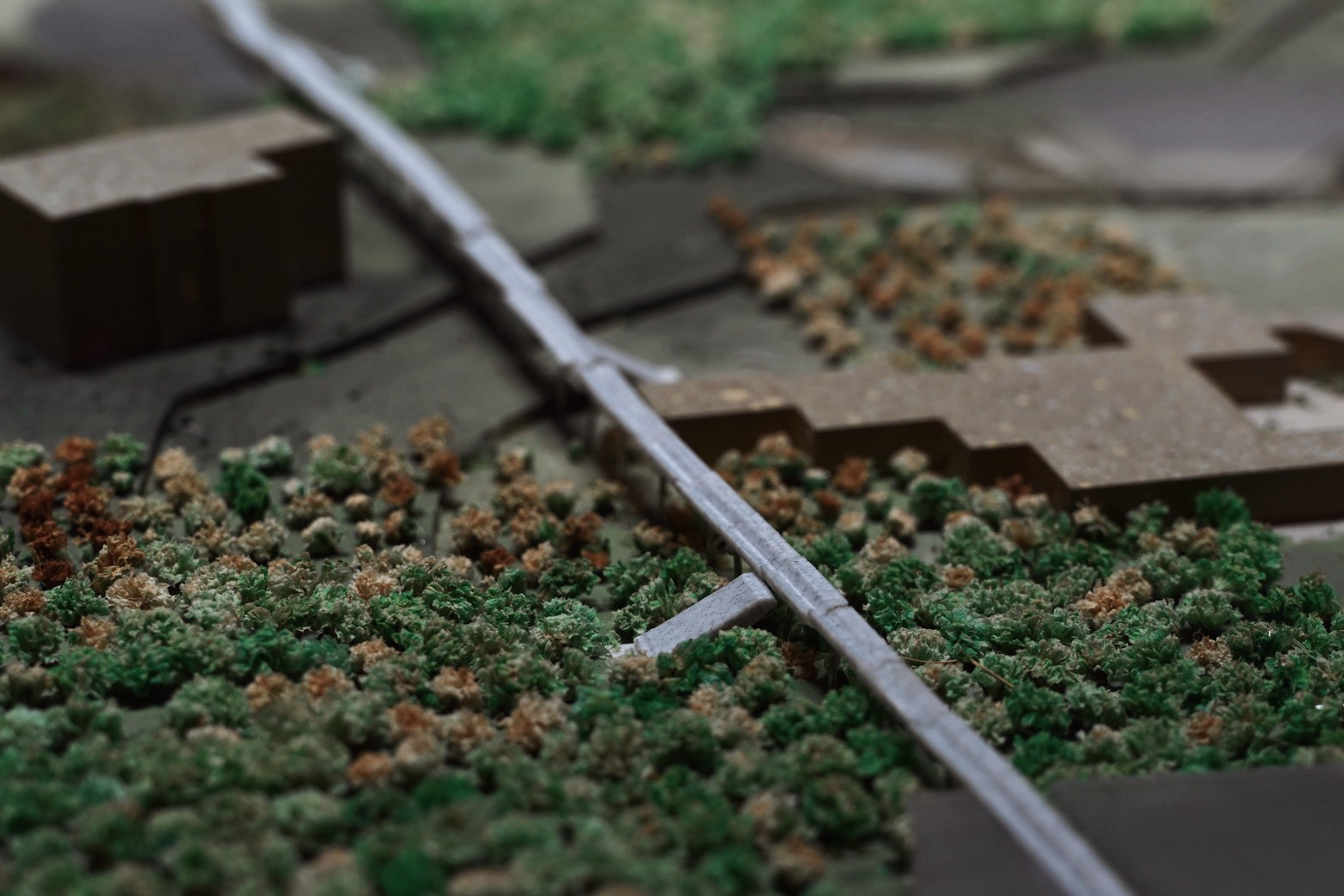
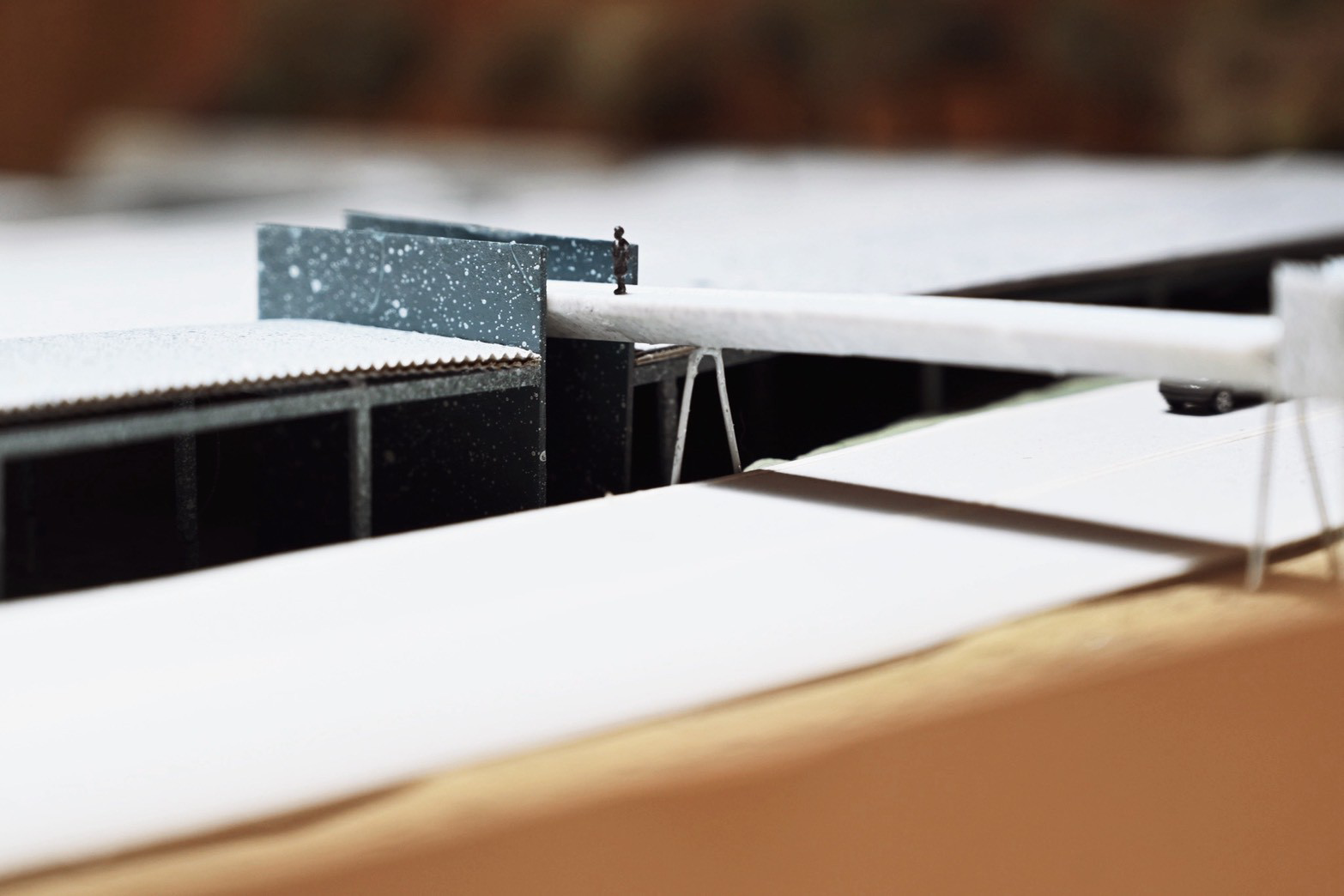
500公尺長的高架引水道橫跨果園,水流自高處傾瀉入地面鋼構水塔的水袋,發出巨大悶響與震動。
水花帶來濕氣,水塔提供農民蔭涼,水流隨後再經地溝緩慢滋養土壤。
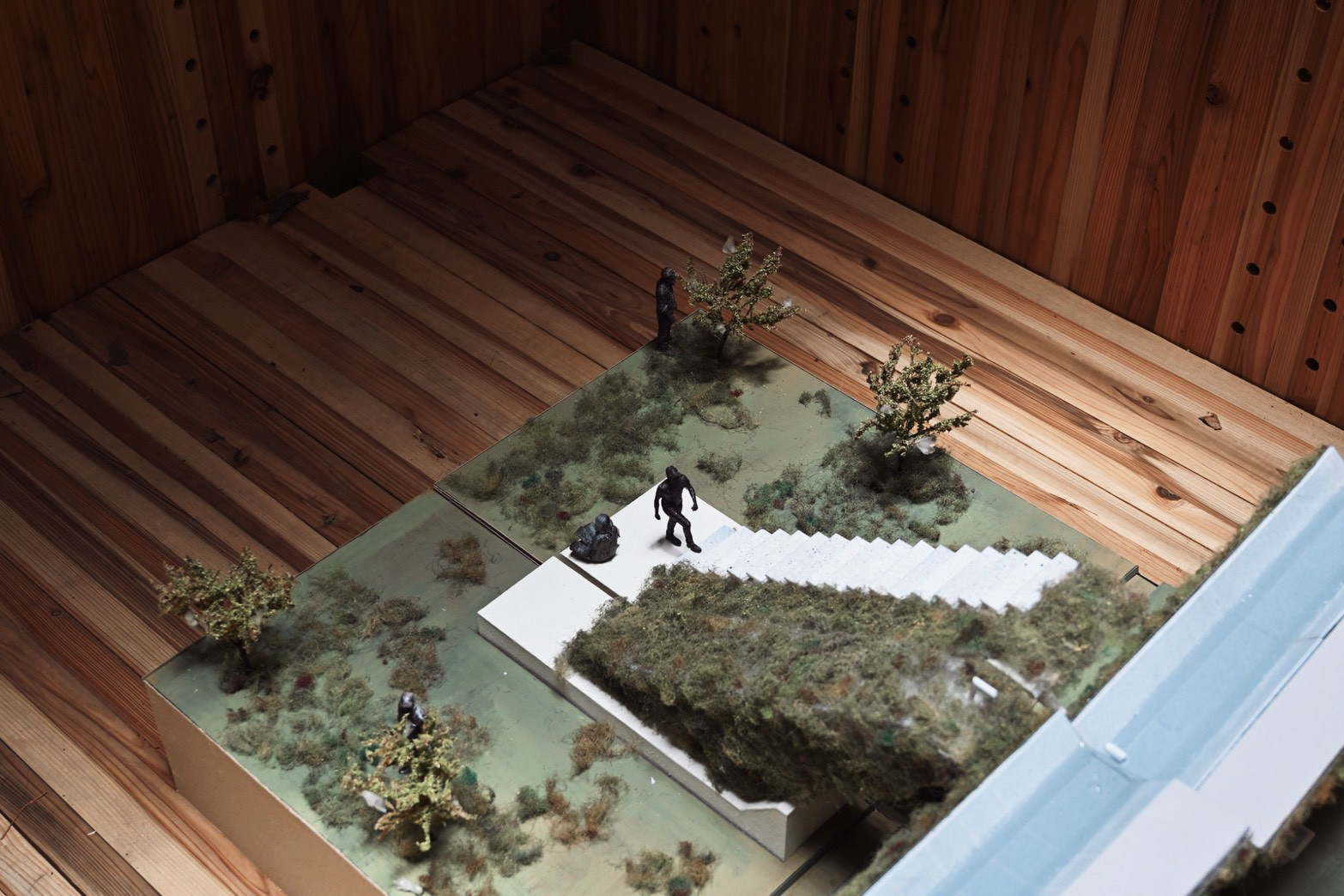
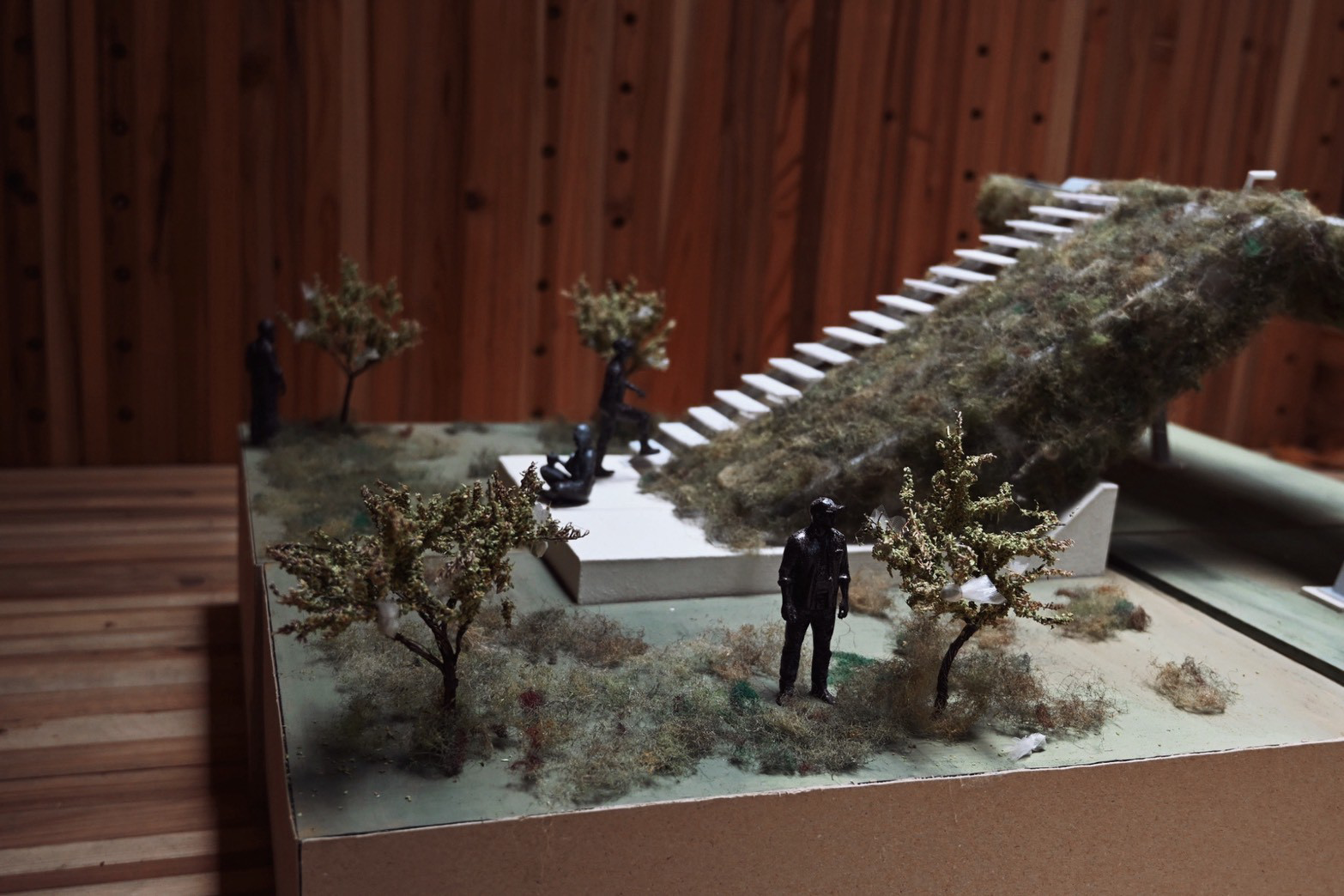
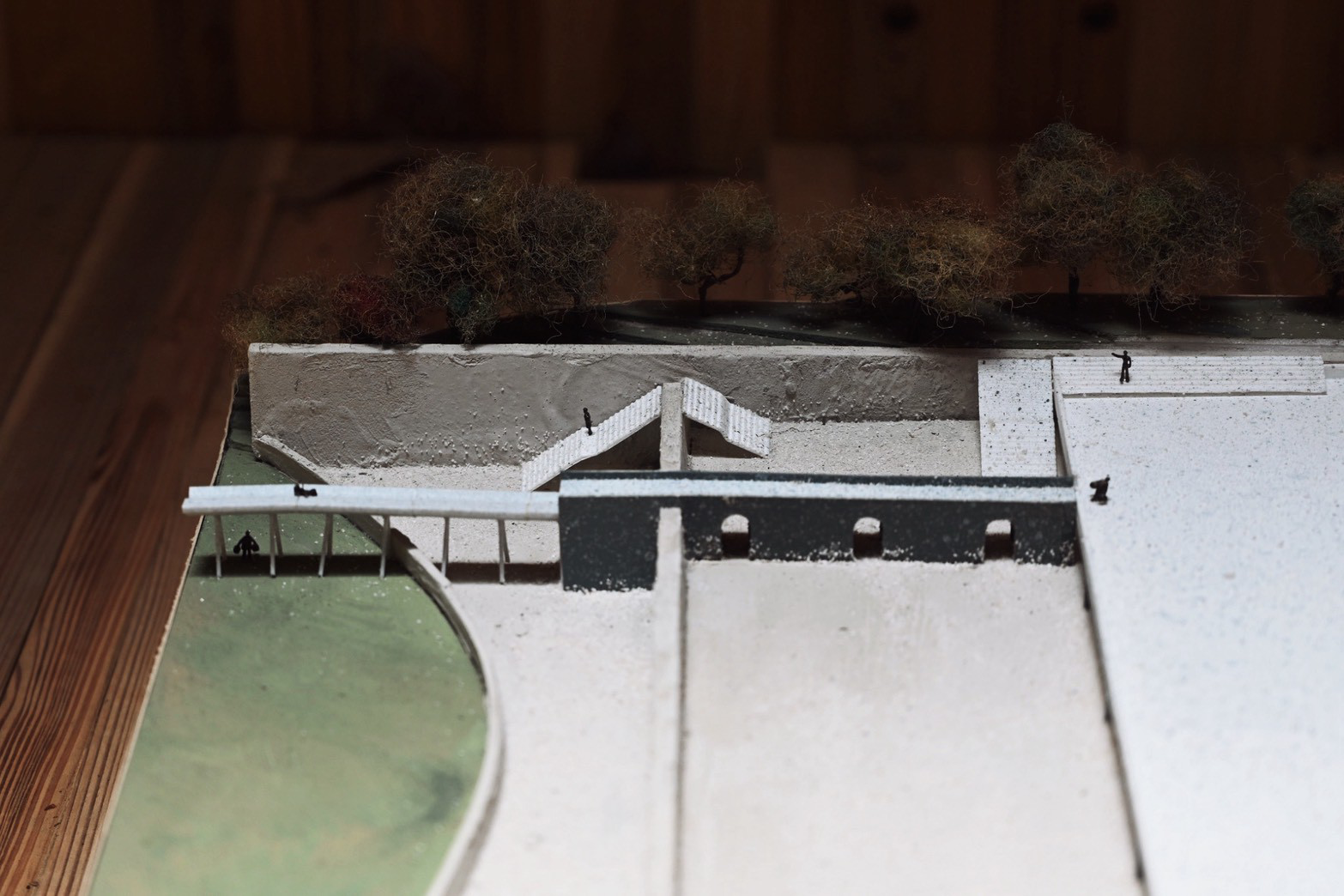
設計核心是一座階梯狀的大型下凹蓄水盤。
水庫蓄水期時,水源源不絕流經高架渠道,水盤底部泥土裸露,
農民在階梯狀的微地形上架設棚架、種植短期作物;雨季防淤啟動時,水盤開始攔截餘流,
水位逐漸漫過底層土壤,層層淹沒原先種植用的小台階,最終將棚架與農作痕跡完全隱沒於深水之下,
農田就此動態轉化為一座微型水庫。
在這裡,居民無須依賴數據,只需觀察混凝土牆上一道道的枯水線、聽見水流撞擊聲,即能以身體真實體會那4,000萬噸水的重量。
–
Gangshan’s life once followed the Agongdian River, but today its waters are hidden in
underground pipes. Due to the mudstone geology, the reservoir requires "empty-reservoir
desilting" during rains, flushing 40 million tons of freshwater directly into the sea.
Meanwhile, the region faces shortages, having to draw from the Qishan River in dry
seasons. Adjacent orchards simply watch the water slip away.
"Remnant Retention" intercepts this "Remnant Flow" at elevation 31m to construct a
micro-water circulation system. A 500m elevated aqueduct spans the orchards. Water
pours into water bags within ground-level steel towers, creating massive impacts and
vibrations. This brings moisture and shade for farmers, before the water slowly nourishes
the soil through ground ditches.
The core is a large, stepped sunken basin. During dry seasons, water continuously flows
through the aqueduct while the basin’s exposed soil allows farmers to erect trellises and
grow short-term crops on the stepped micro-topography. When rainy desilting begins, the
basin intercepts the flow. The water gradually rises, submerging the planting steps layer by
layer, eventually hiding the trellises and agricultural traces completely underwater,
dynamically transforming the farmland into a micro-reservoir. Without relying on data
reports, residents can simply observe the watermarks on the concrete walls and hear the
heavy impacts to physically experience the weight of 40 million tons of water.