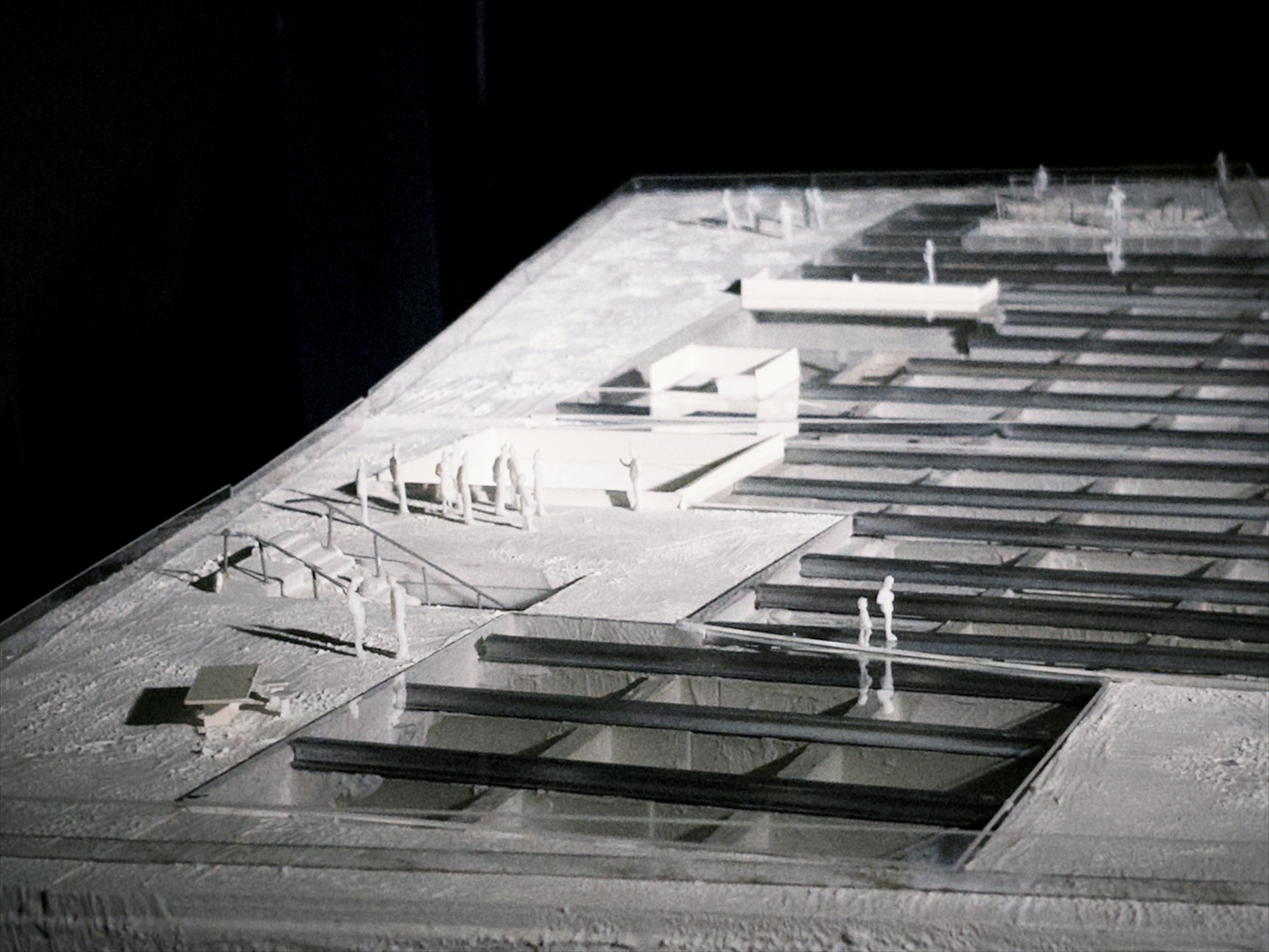
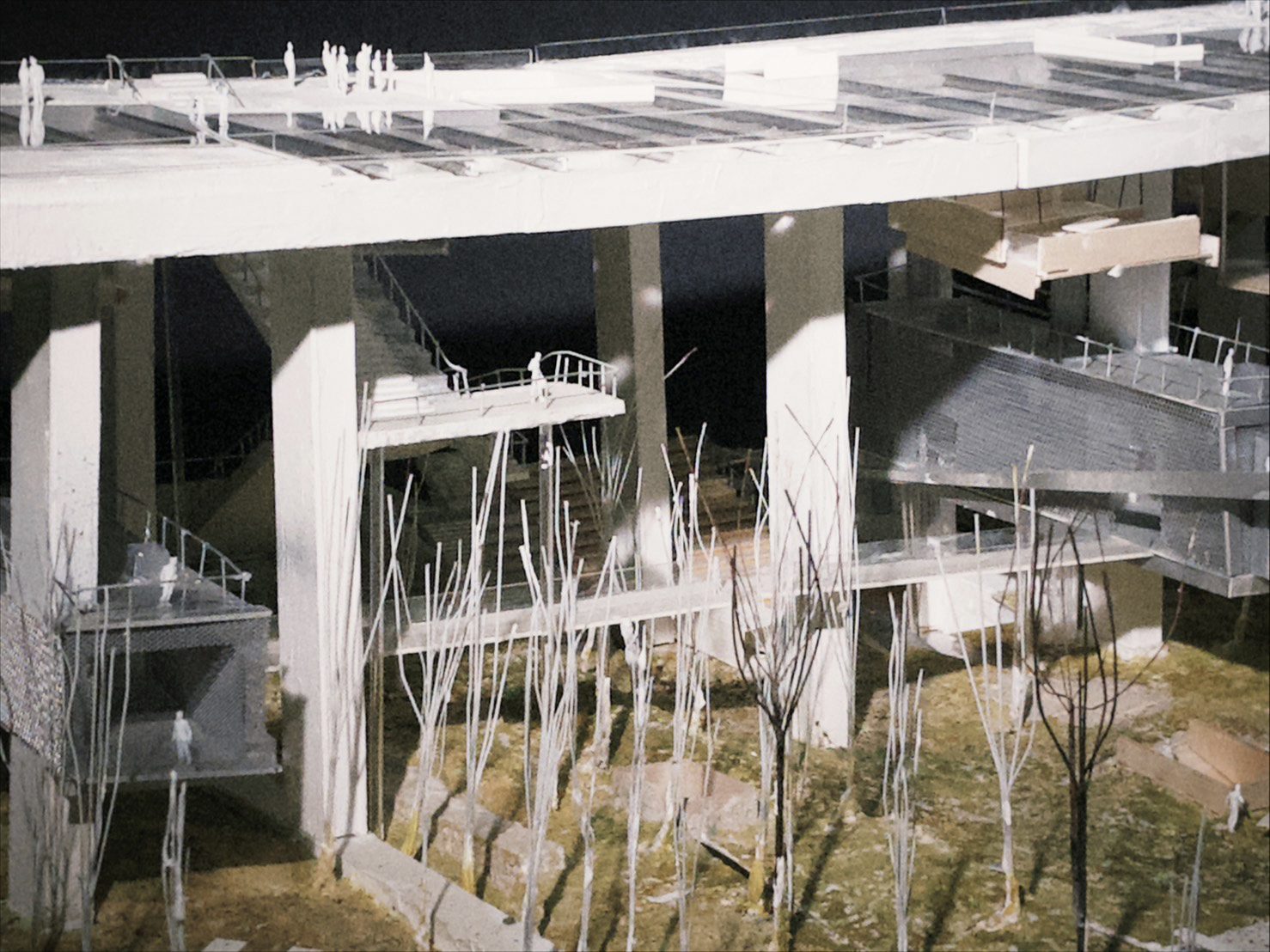
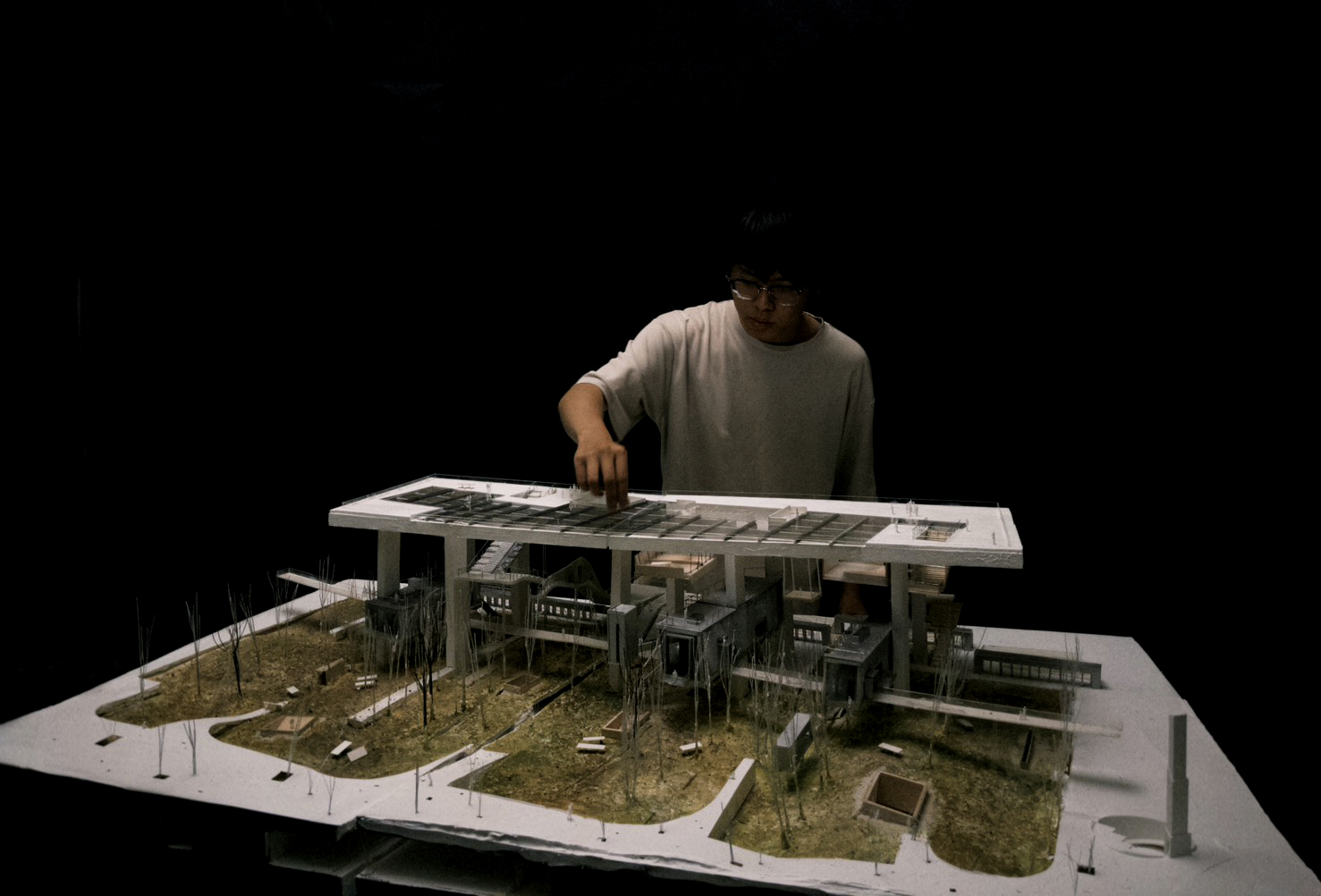
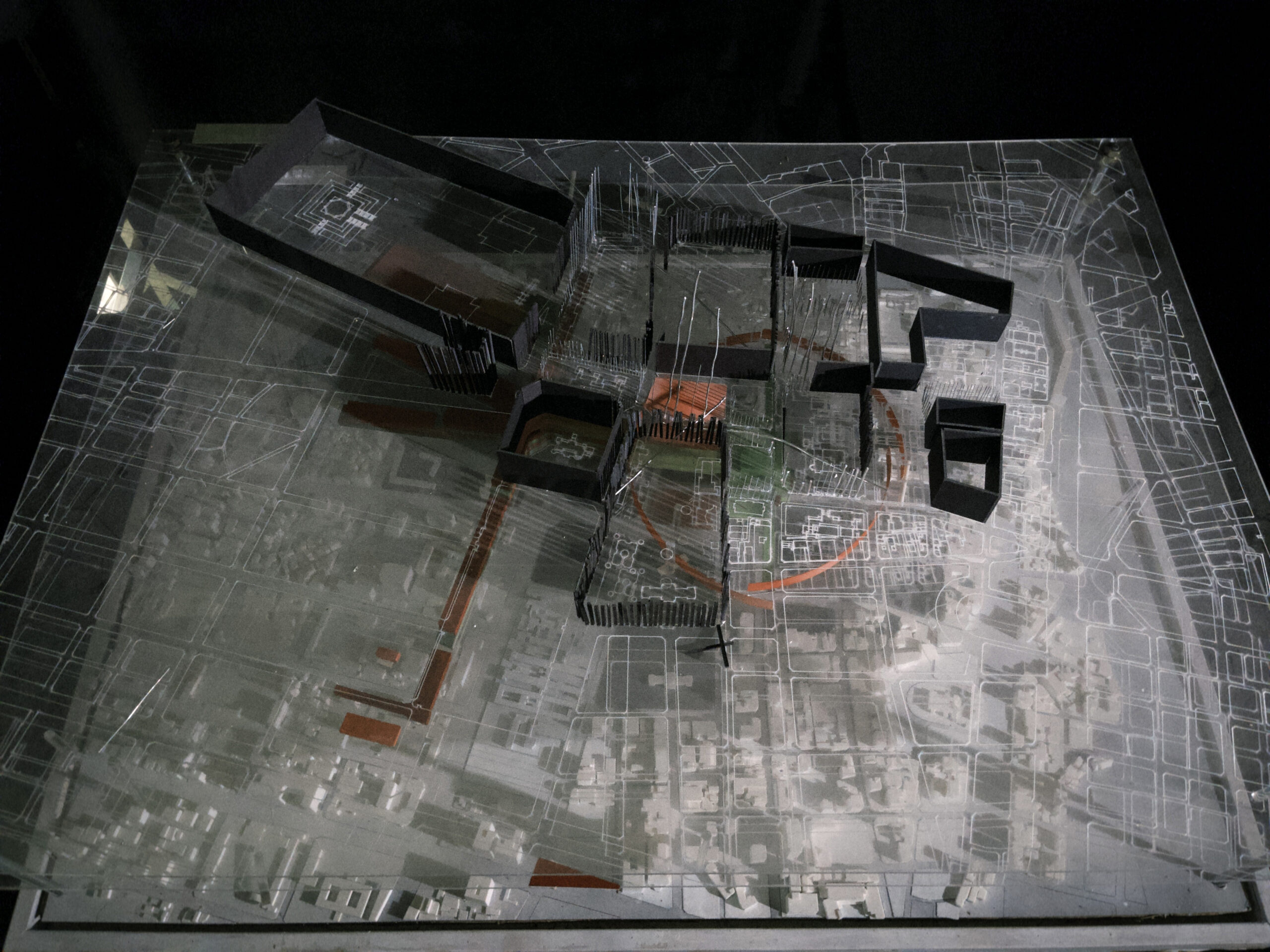
我認為人是流動且持續生成的存在。
畢業設計以「我」的身體解剖作為起點,並推演至城市與國家的尺度,試圖理解個人與國家、極小與極大之間的辯證關係。
當自我逐漸在他者的觀看與外界規範中被形塑,個體也同時失去對自身身體的完全主控。他者既是危險的,
也是必要的—既可能建構自我,也可能吞噬自我。於是,身體不再僅屬於自身,而成為被他者、權力與歷史持續塑造的載體。
台灣亦可被理解為一具如此的「身體」。短短數十年間,這座島嶼不斷被不同政權凝視、定義與覆寫。
國家並非自然存在,而是在權力與歷史的作用下反覆生成。我從個體逐漸失去自身的經驗出發,
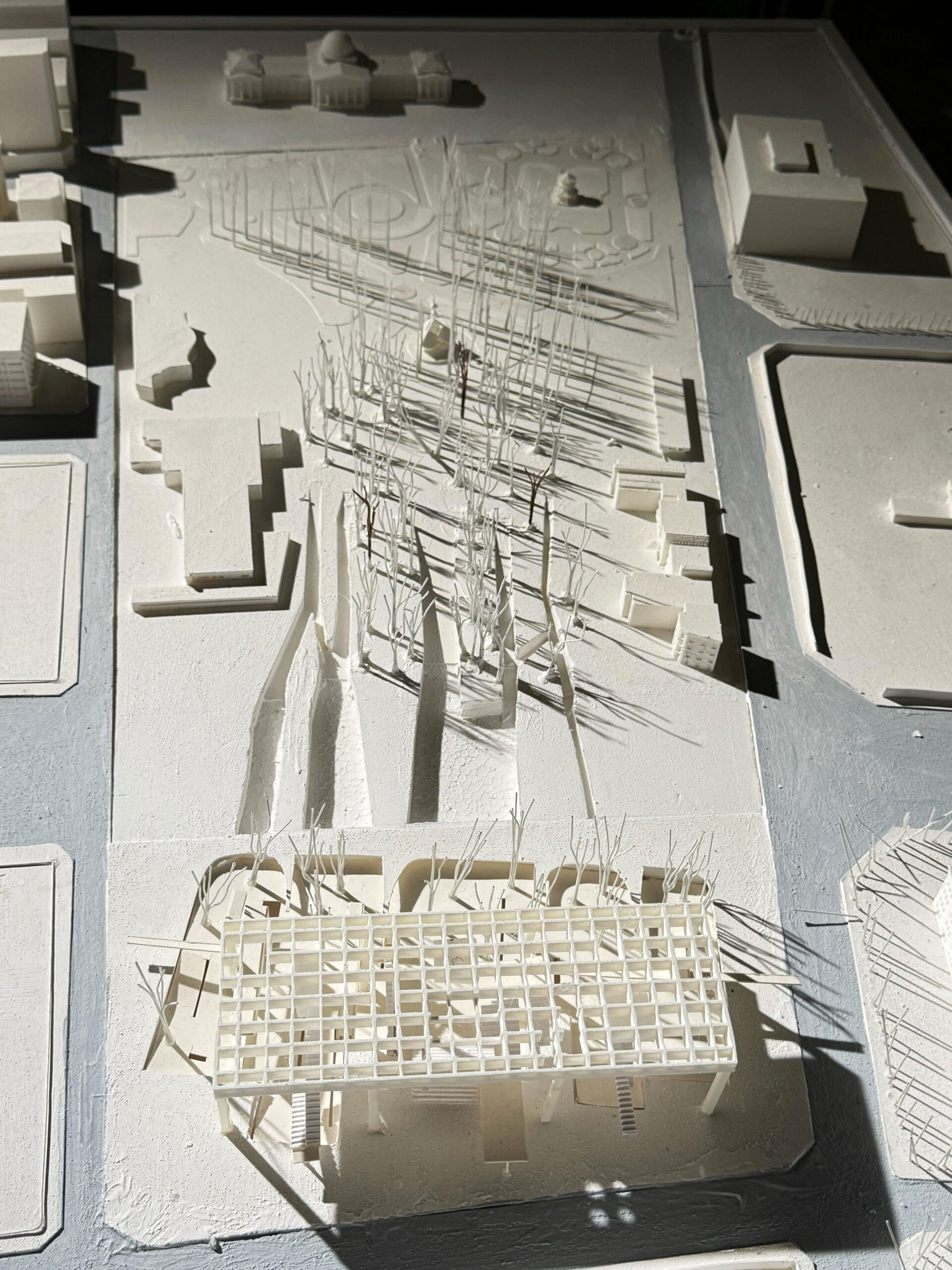
對應人民在國家體制下累積的不滿與失語。博愛特區因此不僅是權力的象徵核心,也在特定時刻成為集體情緒的承載場域。
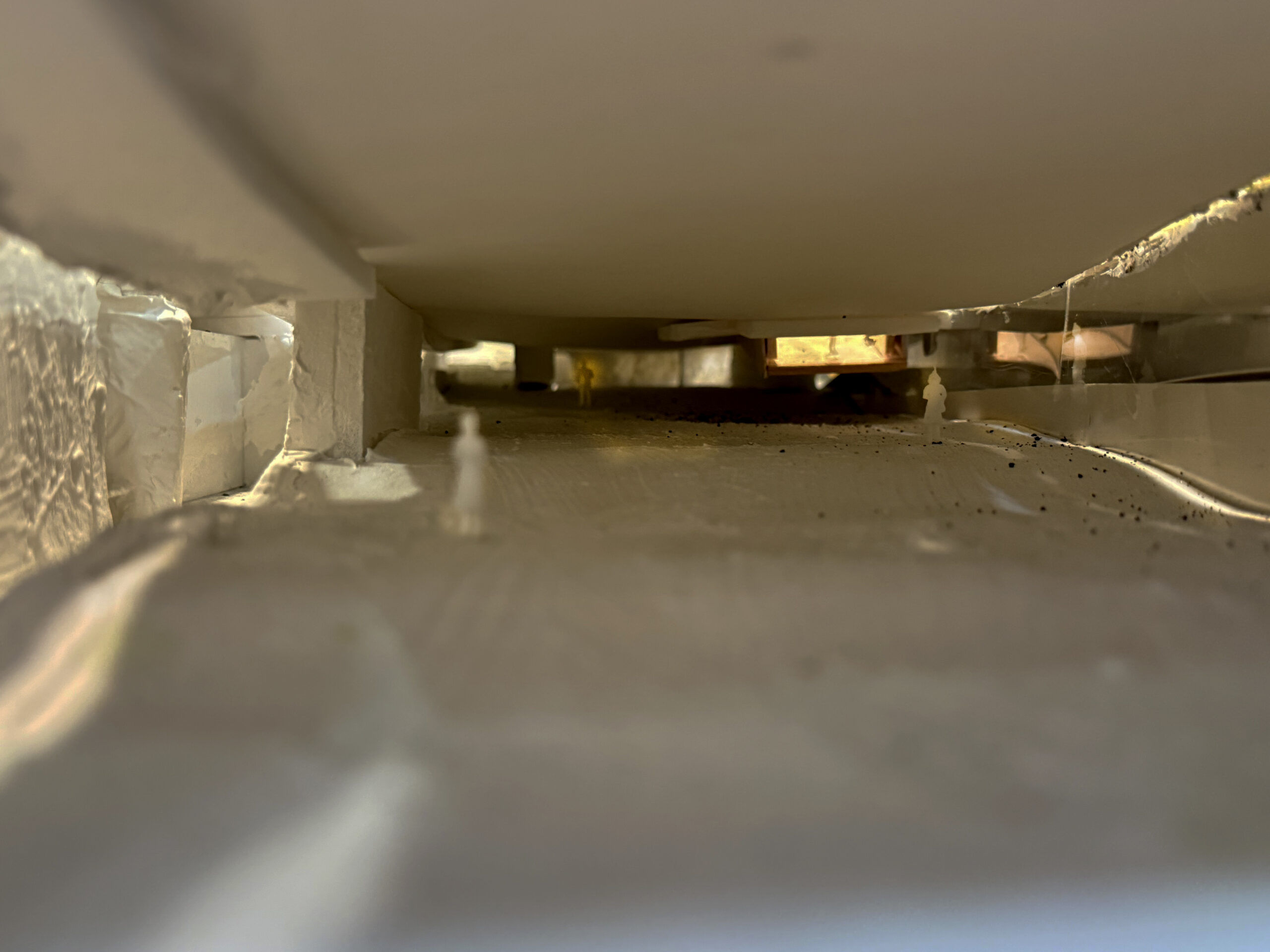
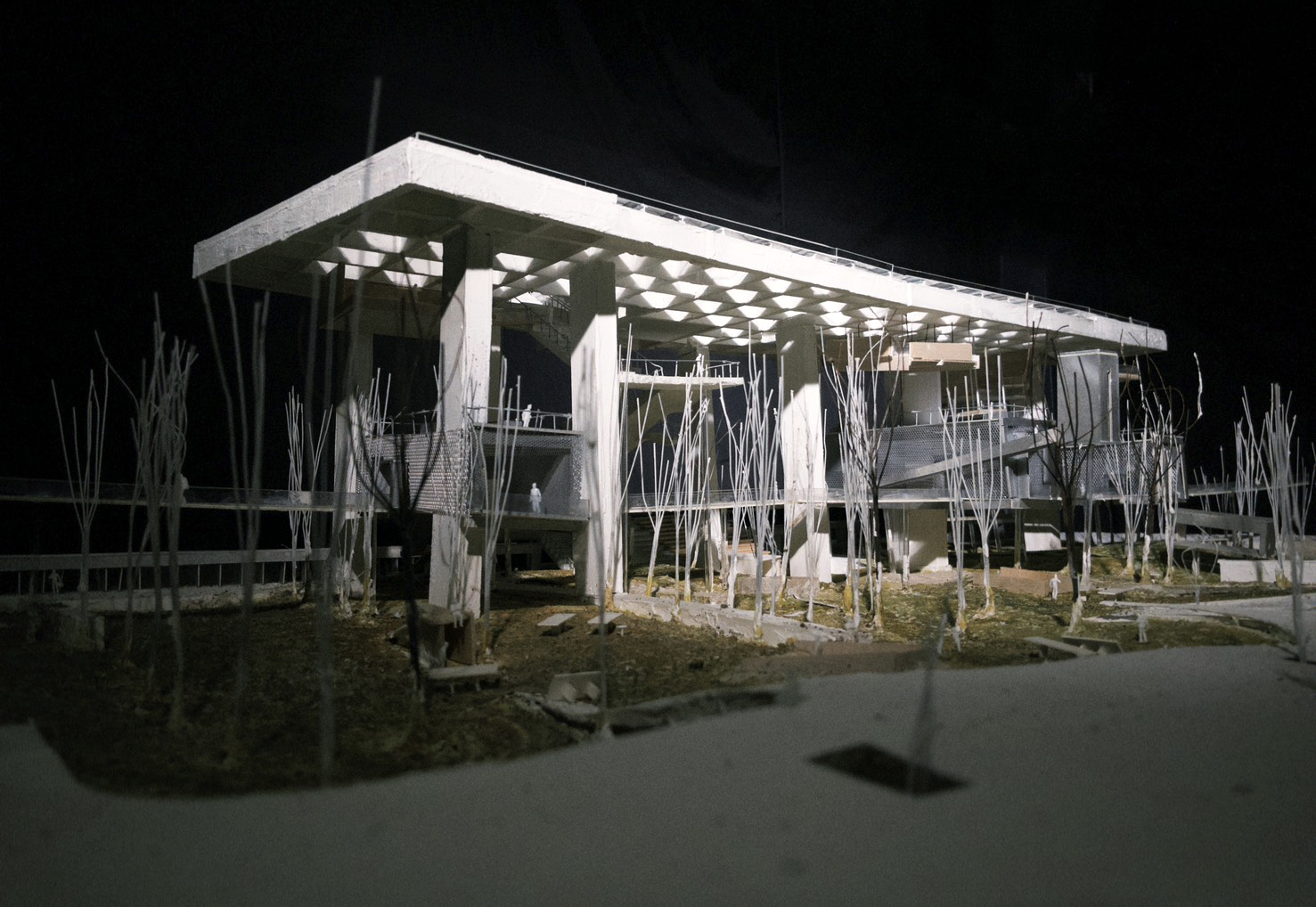
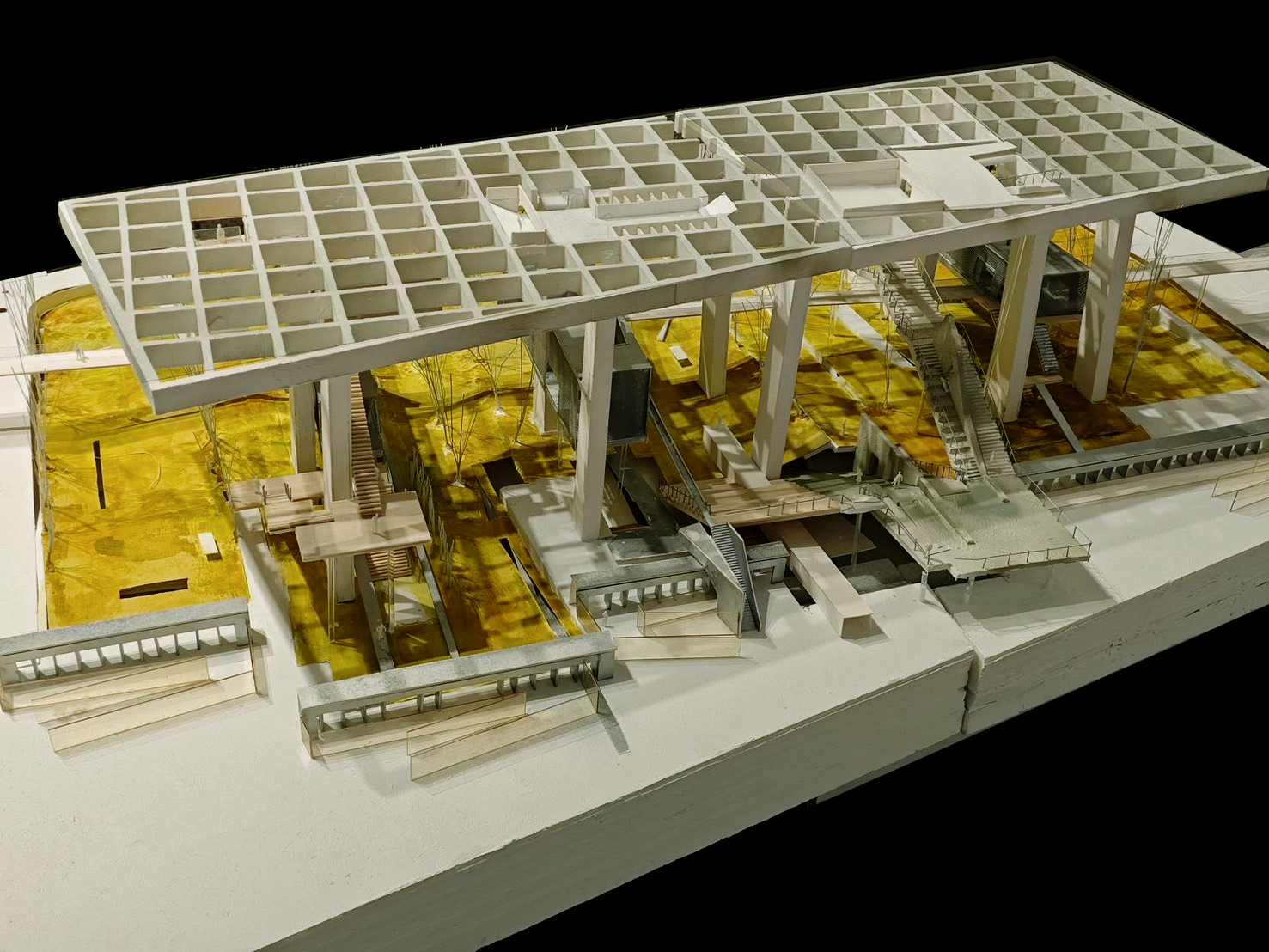
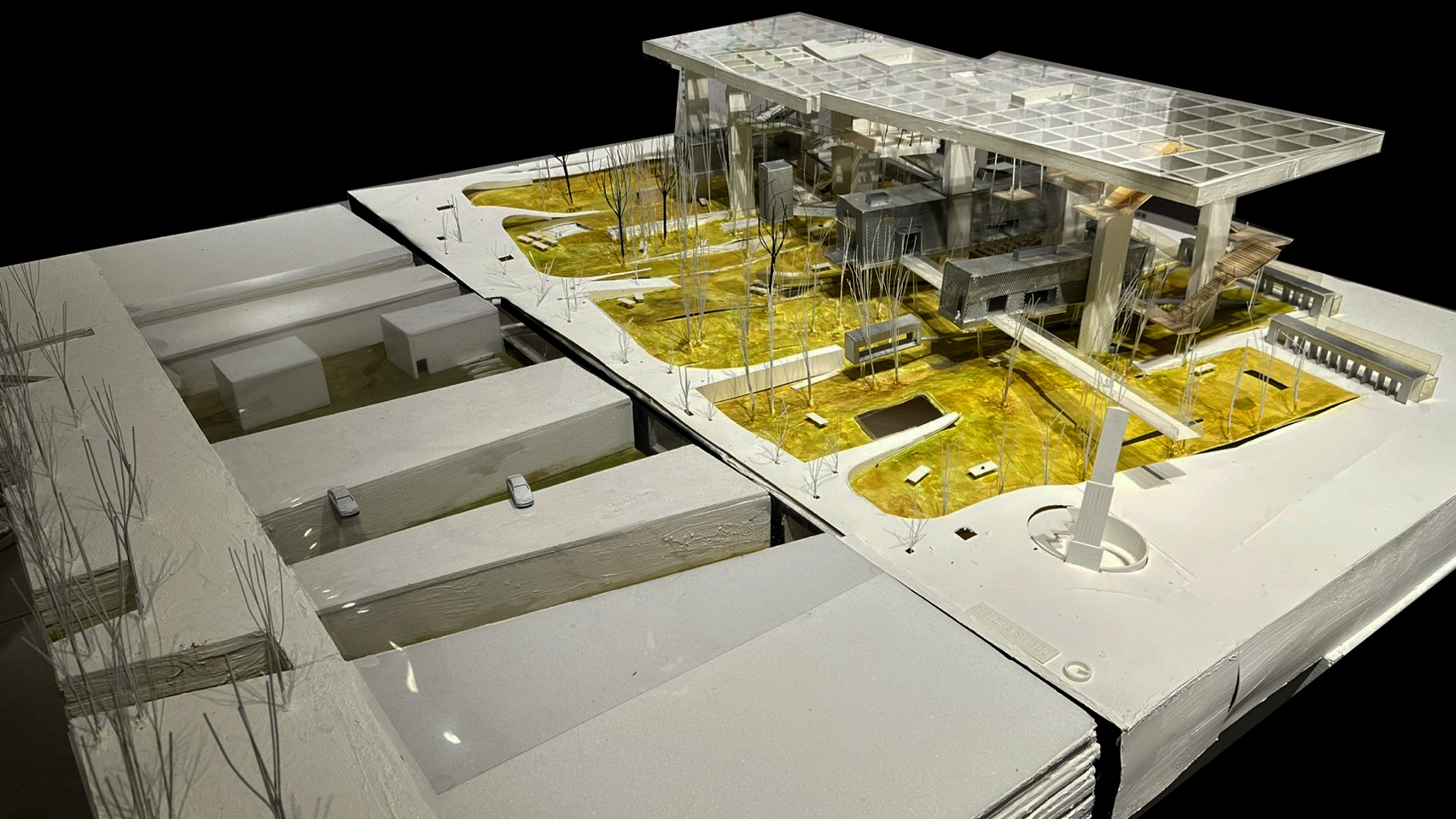
設計藉由回應持續變動的人與事件,在日常與非常之間建立轉換,使空間成為權力、身體與認同持續生成的媒介,
回應人與國家皆作為流動且無法被固著的存在。
–
Human beings are fluid, constantly shaped through relationships with others and systems of
power. This project begins with the anatomy of「 my own body 」and expands toward the
scales of the city and the nation, exploring the relationship between the individual and the
state.
Like the human body, Taiwan can be understood as a body continuously defined and
redefined by history and political power. Rather than a fixed entity, both identity and the
nation are products of ongoing transformation.
The project is situated in the Bo'ai Special District, where political authority and public
resistance intersect. By responding to changing people and events, the design creates
spaces that shift between everyday use and moments of collective action. Through these
transformations, architecture becomes a medium for negotiating power, identity, and the
evolving relationship between the individual and the nation.