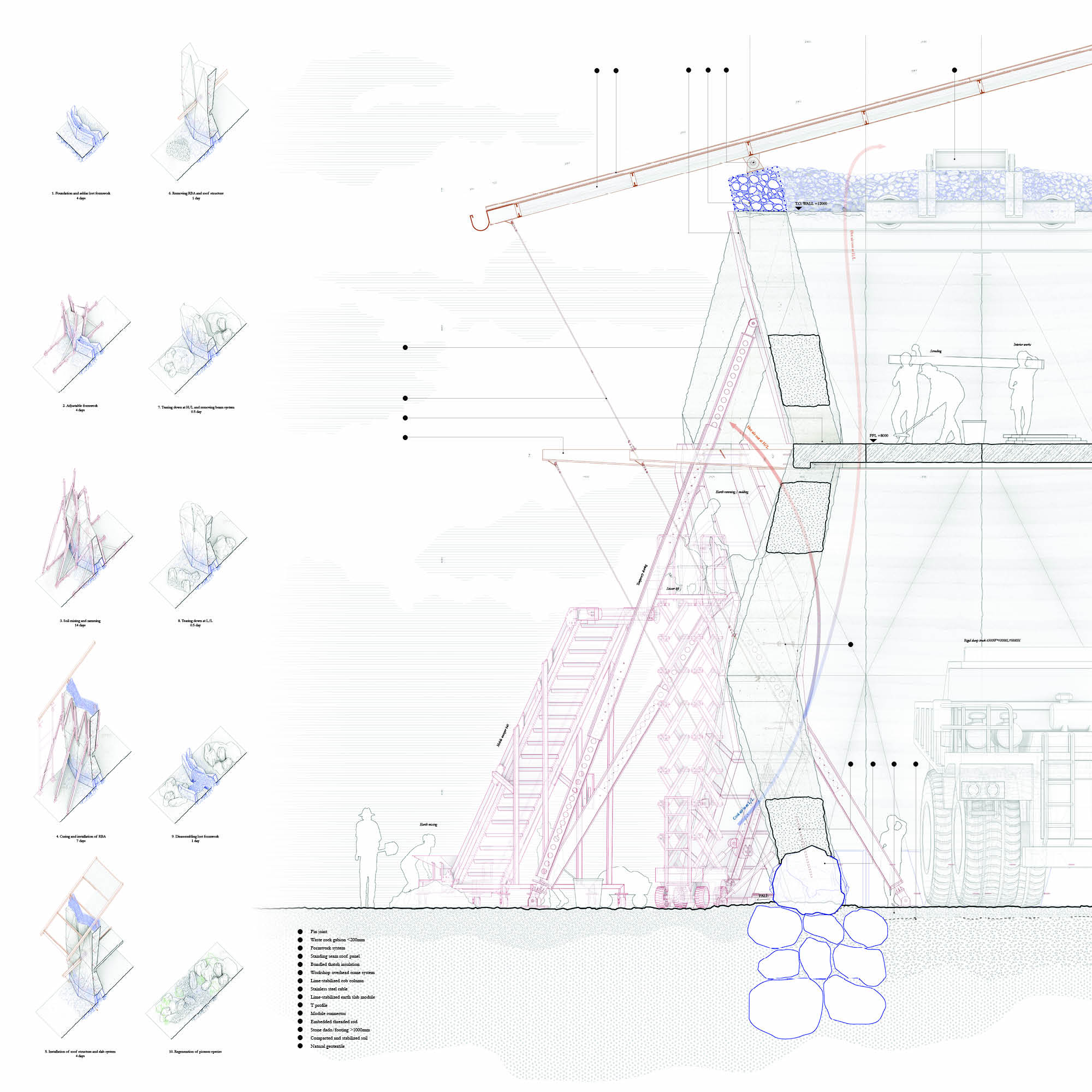
開採地景的構築重生: 西澳內陸材料循環建造策略
由於現代開採需求轉移,礦業面臨日益加劇的波動性。
各類礦區頻繁在營運、勘探與維護狀態之間切換。然而,現場設施的設計並未考慮到這種流動性。
目前在礦區最常見的建築類型——焊接鋼架搭配複合夾心板——雖易於安裝,但極其難以拆卸和回收。
當營運暫停時,建築物通常會被遺棄,繼而使用從中國進口的鋼材為下一個勘探區建造新的設施。
另外,低下的維護效率也暴露了這類型的限制:由於更換焊接組件昂貴且複雜,拆除重建成爲礦區建造的常態。
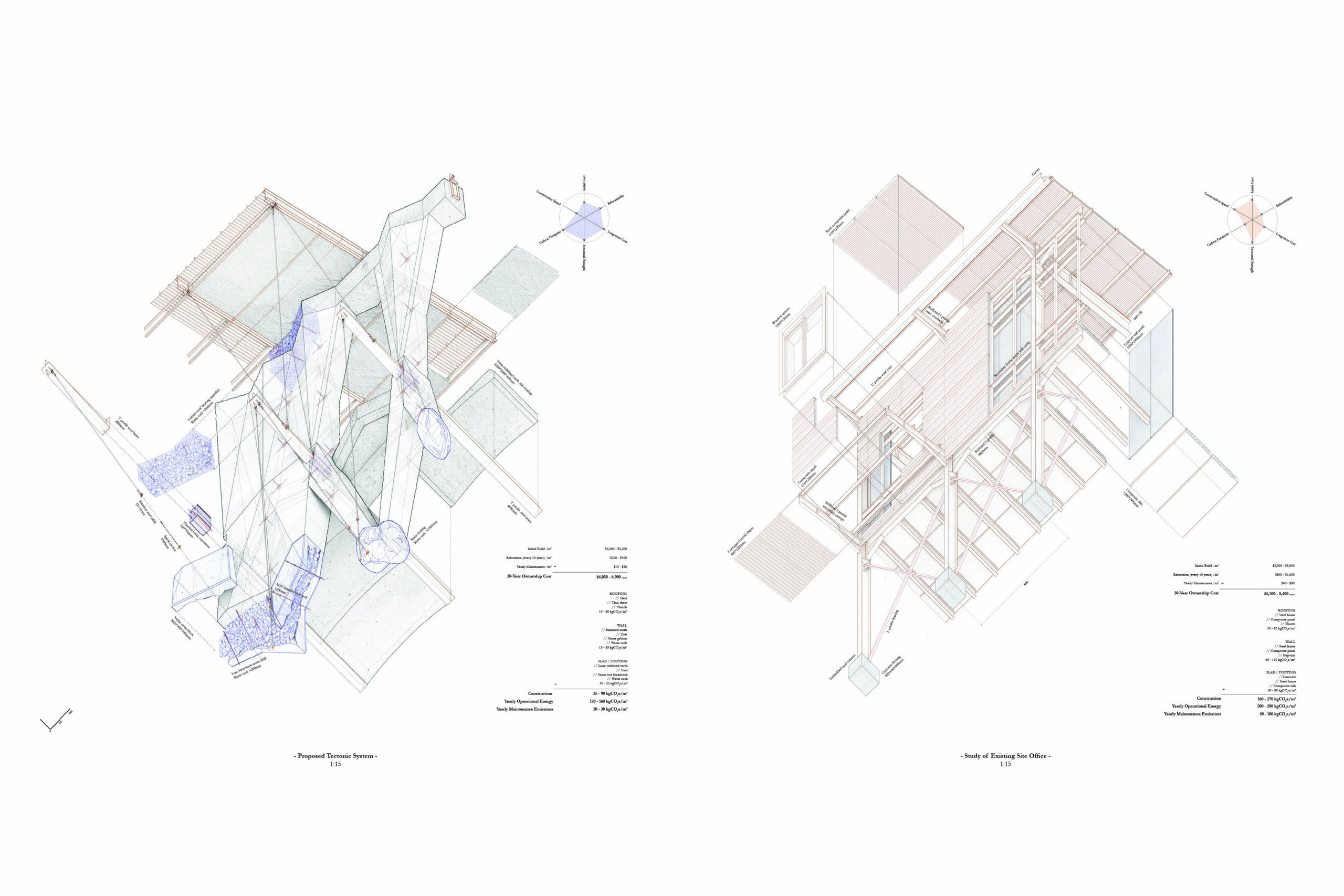
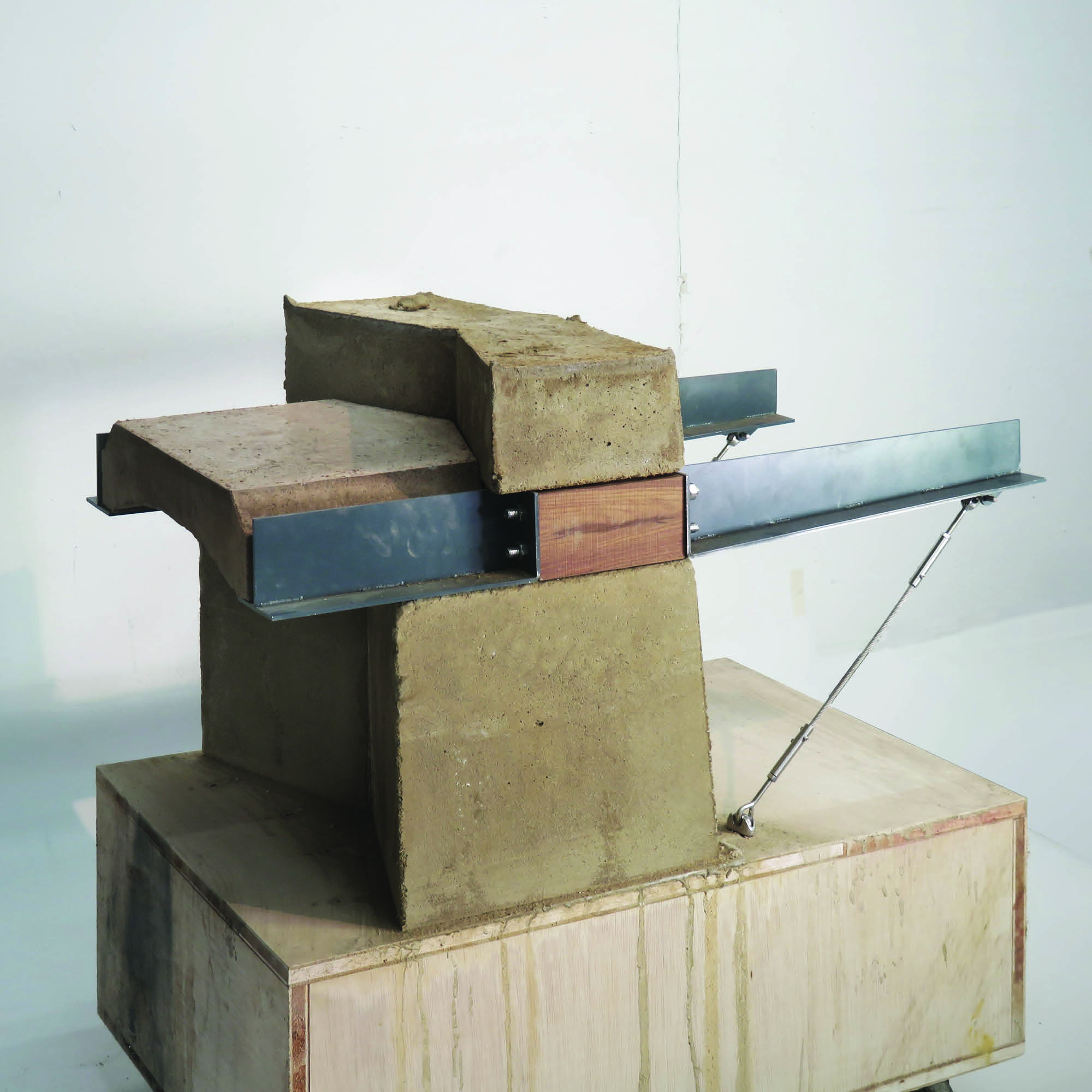
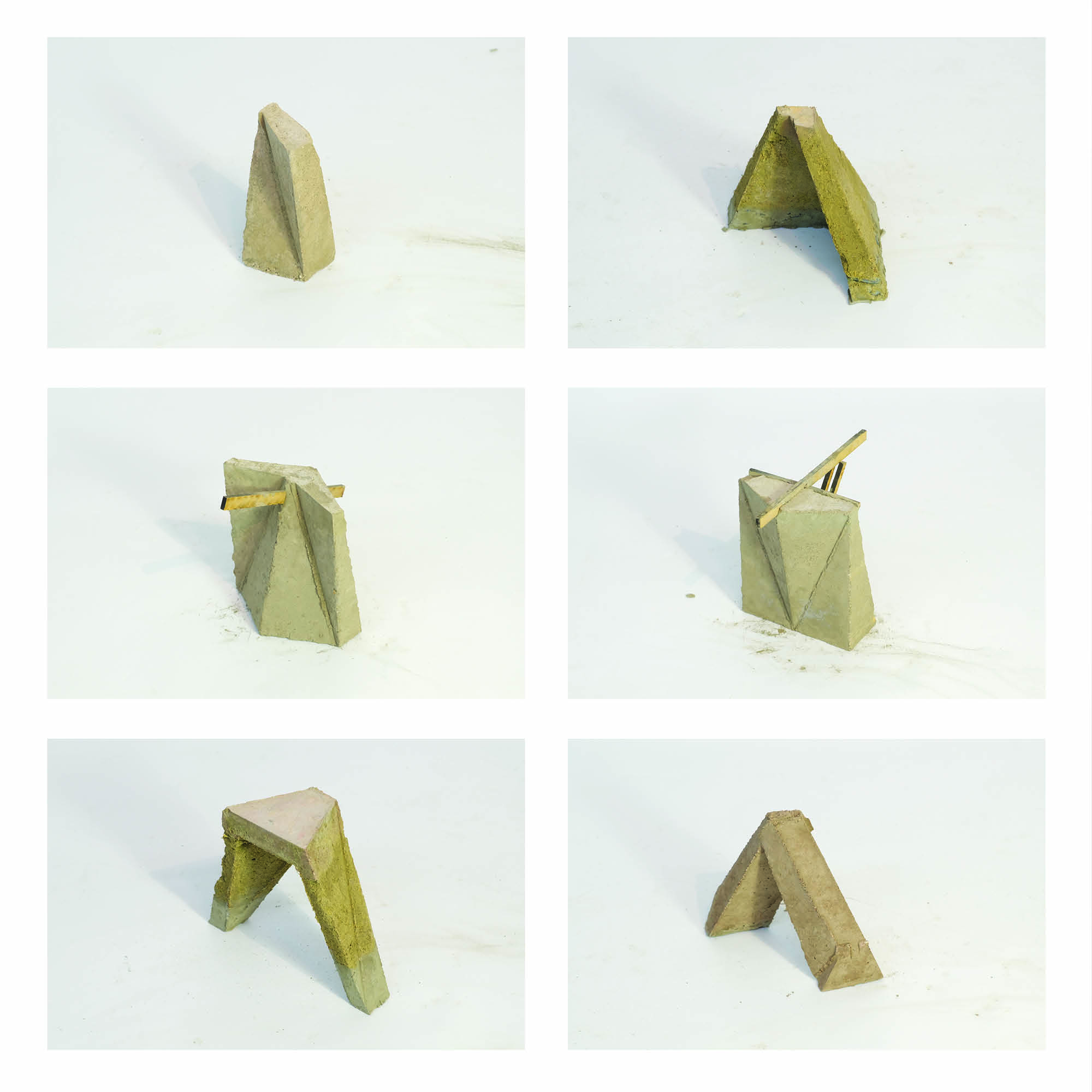
設計旨在探索敏捷且具彈性的建築系統,以支持長期營運下的快速重新部署。
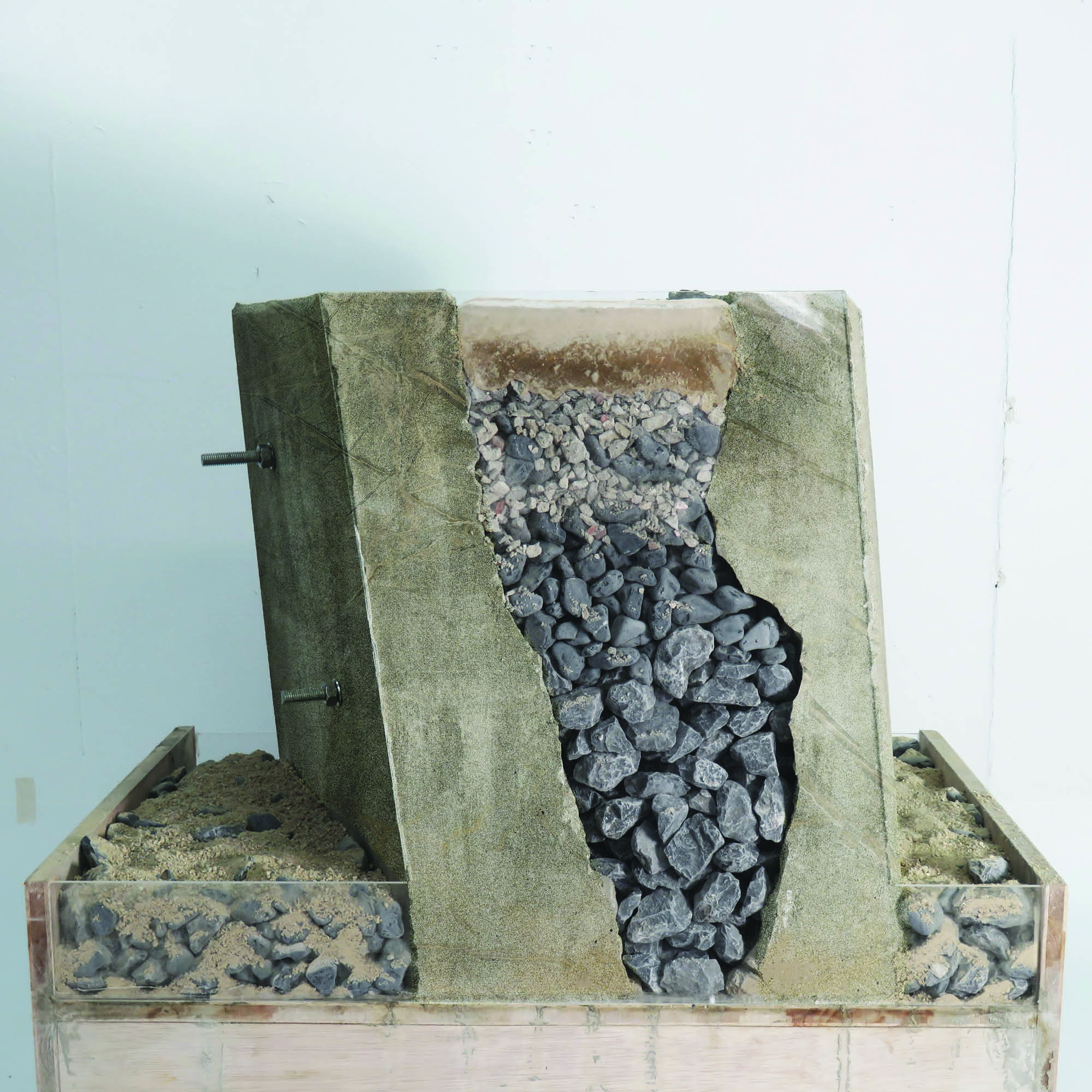
針對礦區產生的大量廢棄物,本設計將廢石、土料及鐵尾礦融入建築構件中。
以開發一套集建造、拆卸、運輸與重建於一體的整合式系統為最終目標,
並將其應用於西澳大利亞Yilgarn地區的偏遠礦場。
–
Sustaining Resource Extraction through Tectonics:
Waste-based Construction and Deconstruction Strategies in Inland Western
Australia
Resources extraction is absolute but increasingly volatile due to demand shift.
Various mine sites are constantly switching between operation, prospecting,
and maintenance. Yet on-site facilities are not designed for this mobility. The
most common typology with composite panels on welded steel frames is easy
to install but extremely difficult to disassemble and recycle. When operations
pause, buildings are often abandoned and new facilities are constructed using
imported steel from distant China for the next exploration area. Maintenance
inefficiency also exposes these limitations. Since replacing welded
components is costly and complex, demolition and rebuilds become the
default.
This thesis design aims to explore agile and flexible building systems that
support rapid redeployment in light of long-term operations. In response to
substantial waste materials generated in mine sites, the design incorporates
waste rock, earth materials, and iron tailings into building components. The
goal is to develop an integrated system for constructing, demounting,
transporting, and reconstructing structures, applicable to remote sites across
the Yilgarn region in Western Australia.