二十一天後
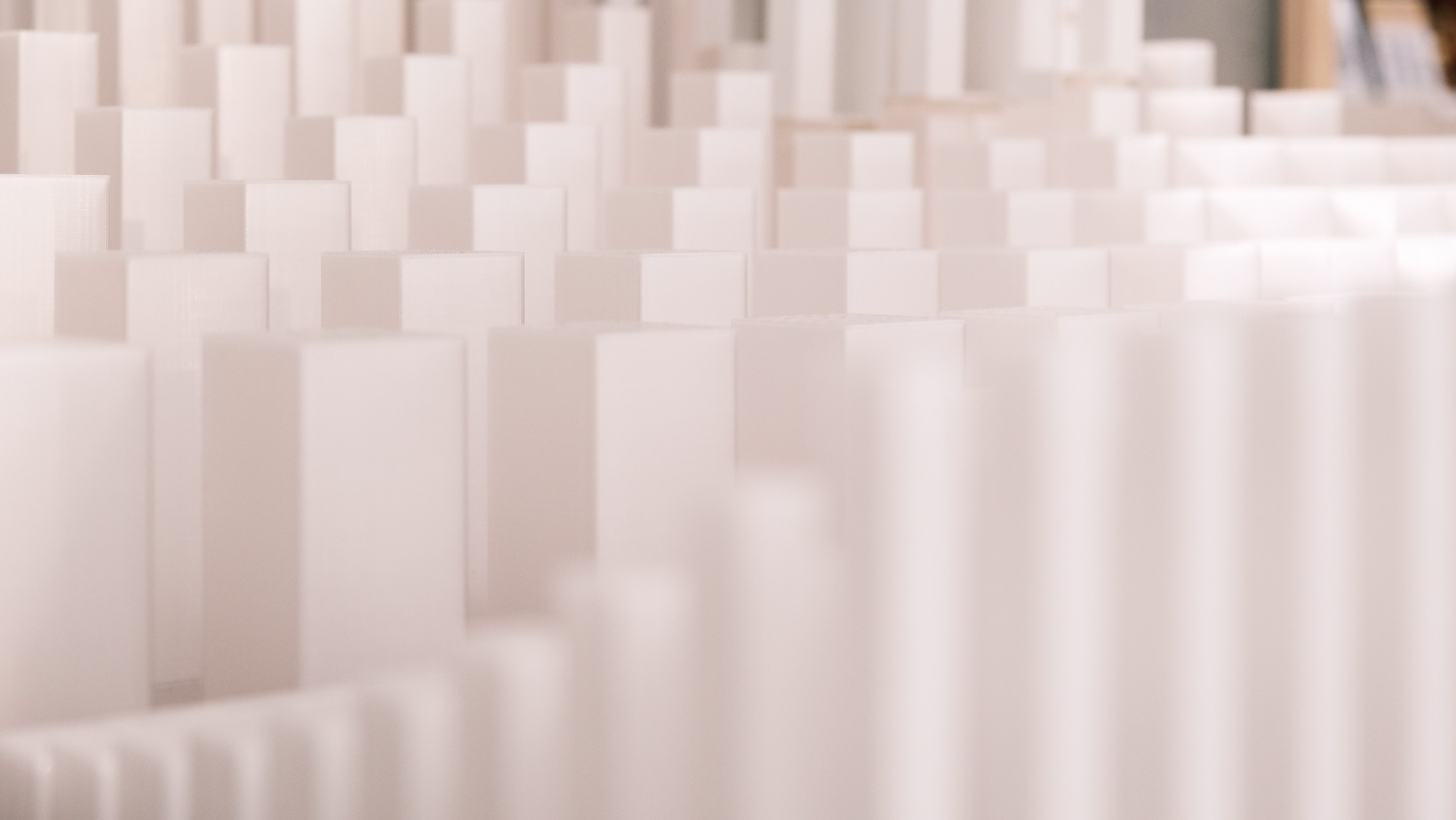
我記錄白色框線與機車停放的關係。相鄰的機車相互作為參照,逐漸扭曲。
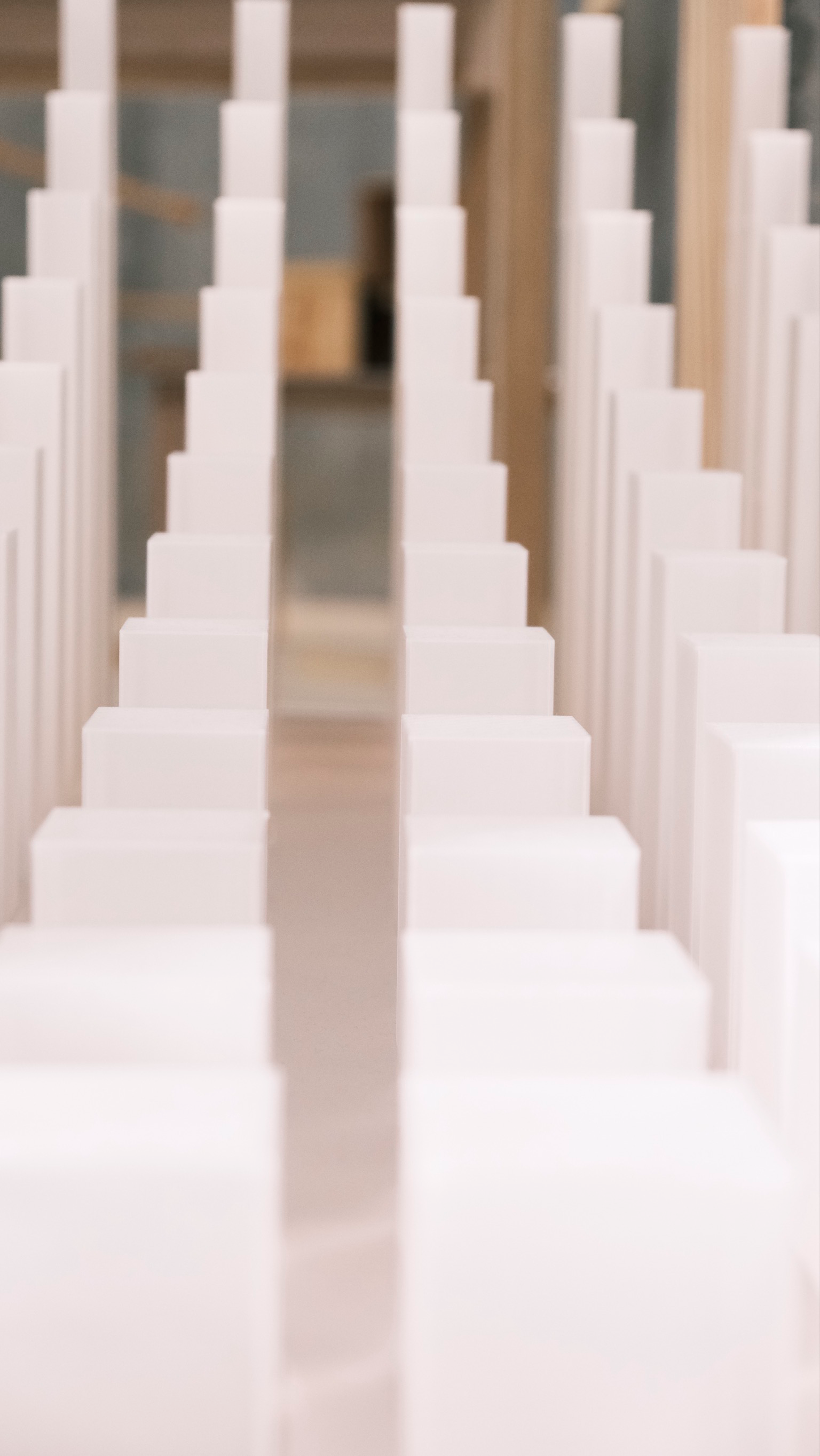
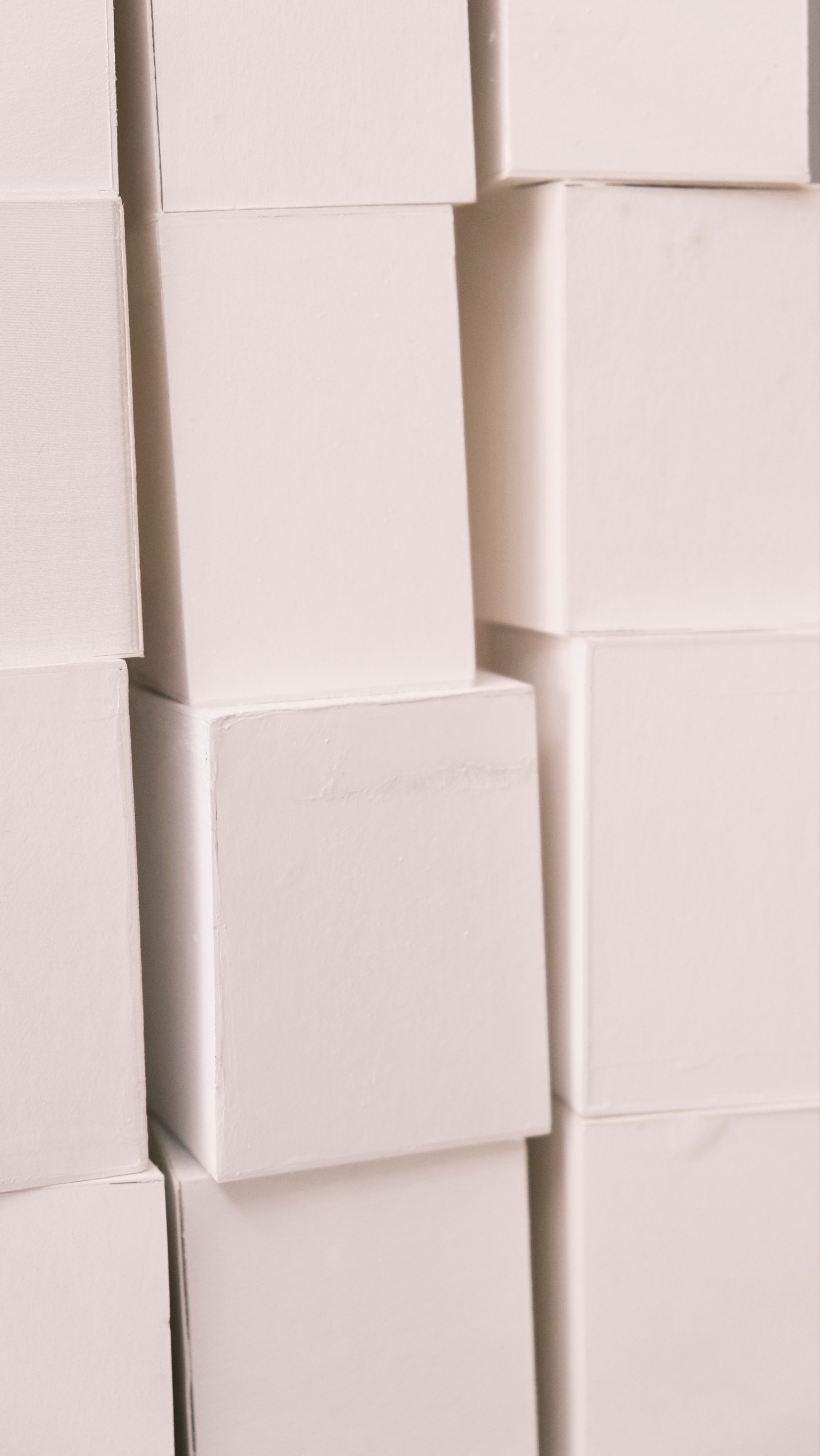
我試圖以空間型態去轉述這種「複製與模仿」之間的關係,透過了方塊的測試,證實了看似理
所當然的穩定狀態終將無可避免地走向畸變與失控。
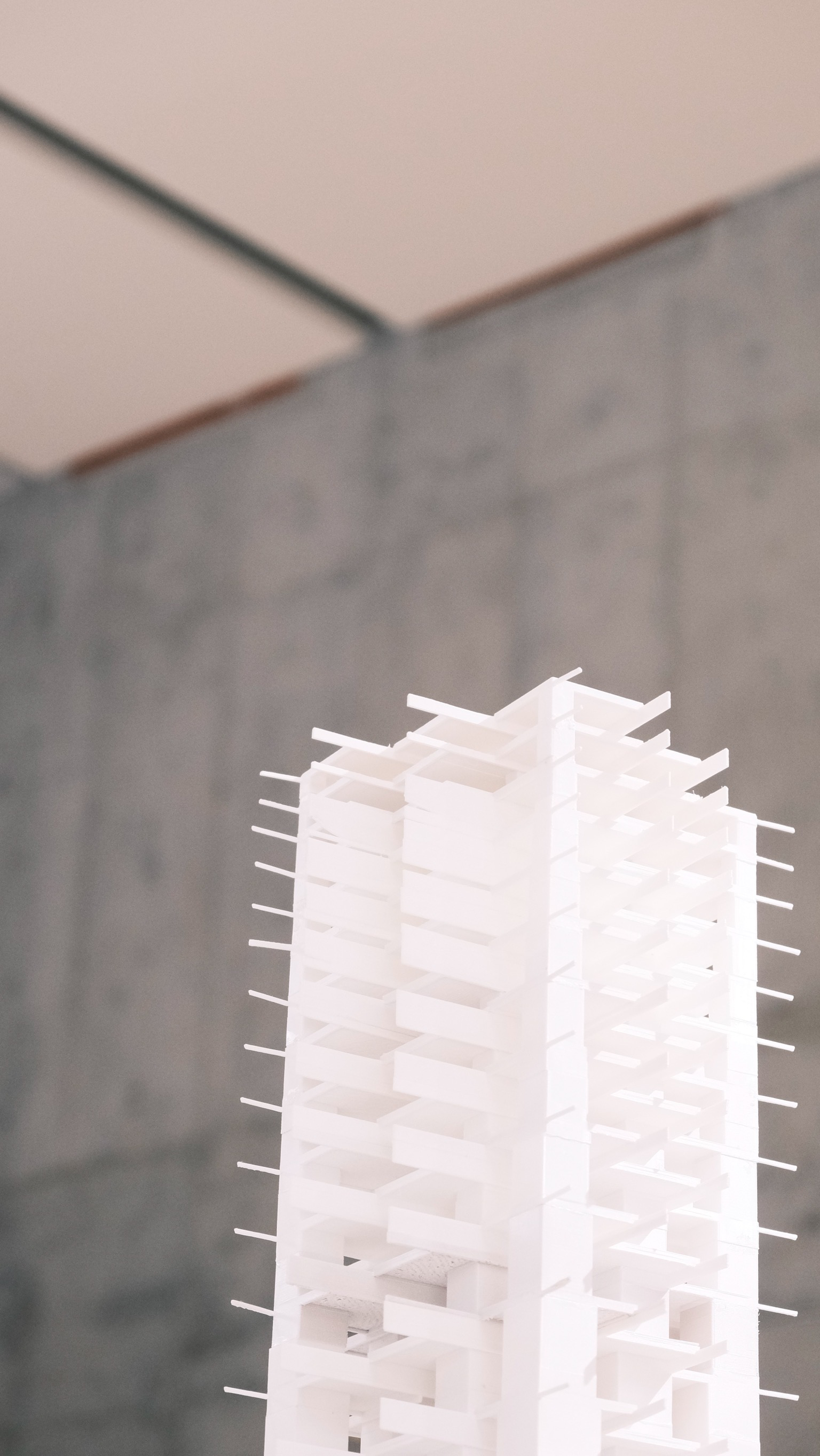
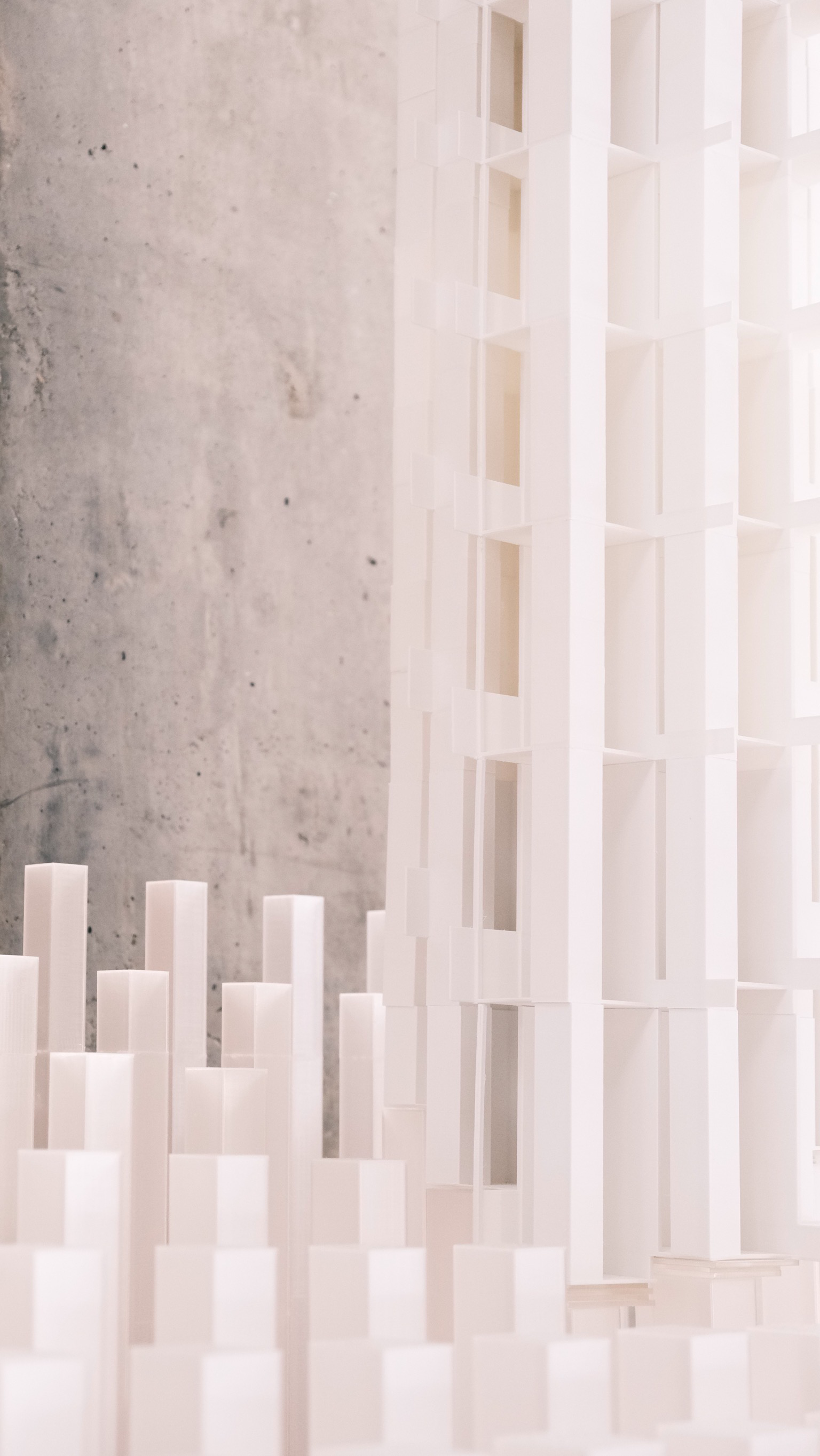
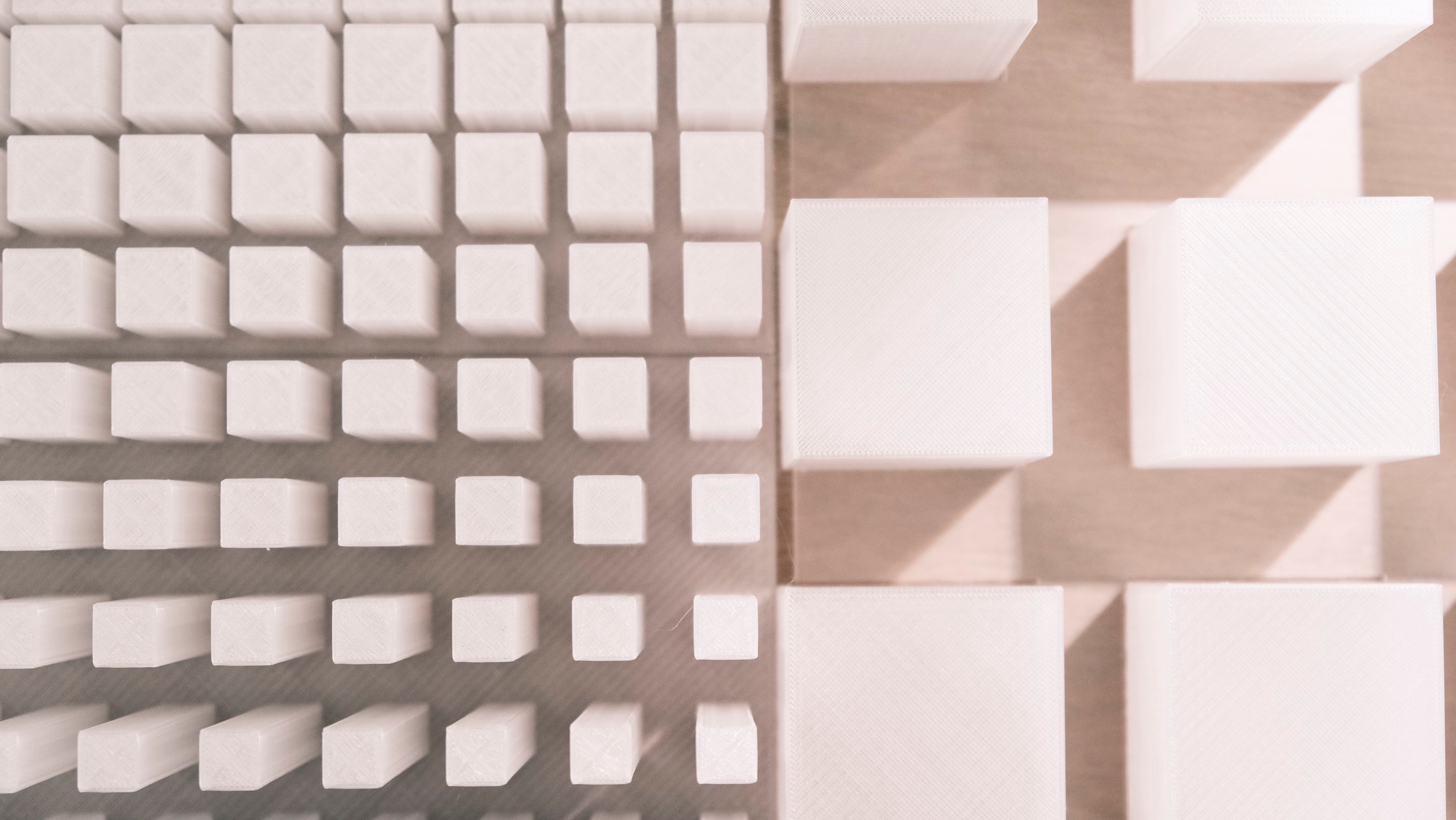
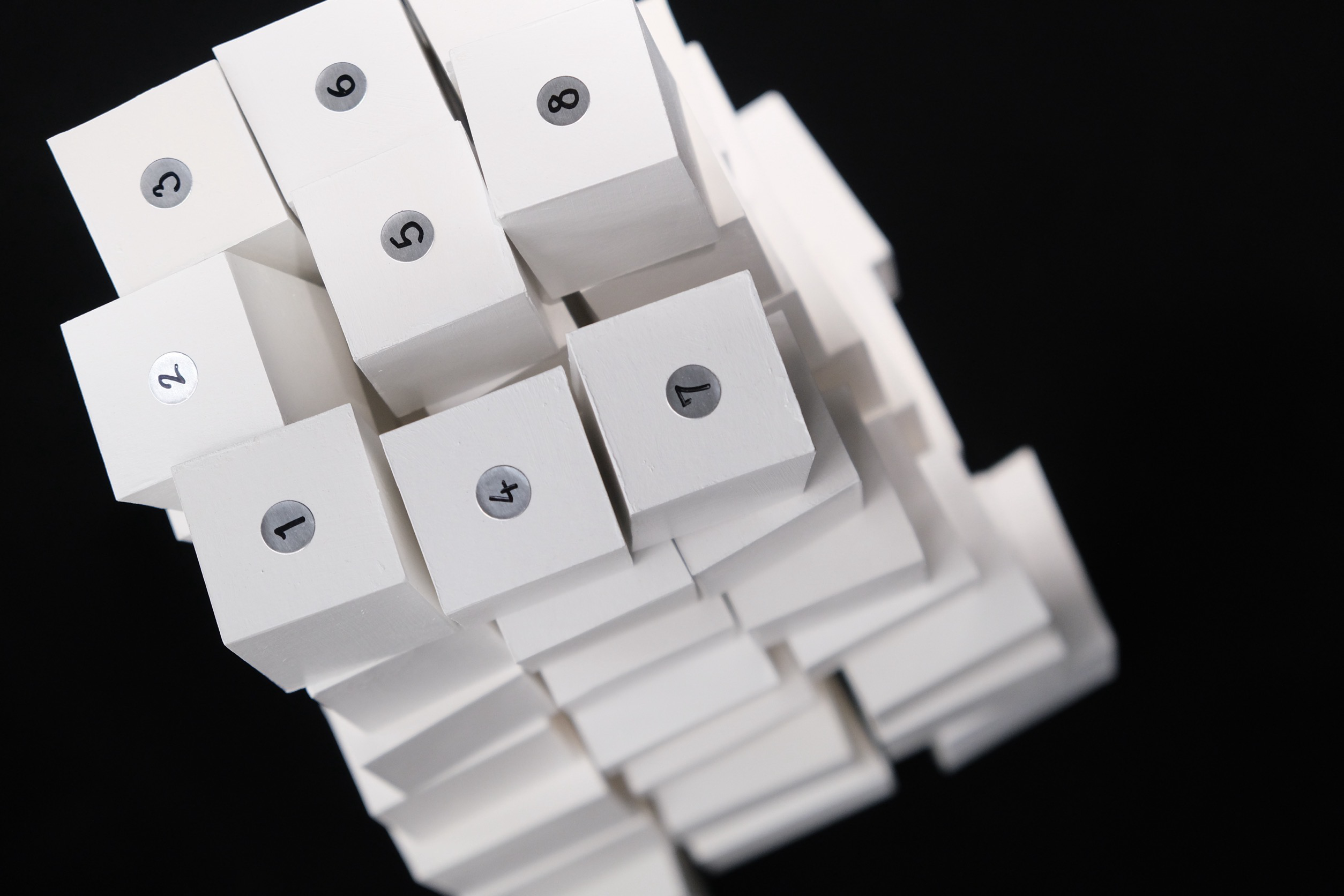
我將這個模型轉譯為二十一層樓高的建築。建築的結構柱列是固定的網格,樓地板面積每層相等。
但在這均質的平面內部,我置入了九個代表「外」的方塊,它們不具備人的居住機能。
前述模型的歪斜源於人類感官的失準,但當概念進入建築尺度,我抽離人為失誤的感性,
改為一種以體積守恆的空間變形規則,當高度被壓縮,方塊的底面向四周擴張並主導著內。
當明天到來。再次站在樓梯口,面向那個「有點像」的地方。你只能適應那差一點的平面。
這誤差難以發現,但慣性不斷被剝奪,這裡沒有發生壯烈的朝聖。睡、吃、走、停留、等待。
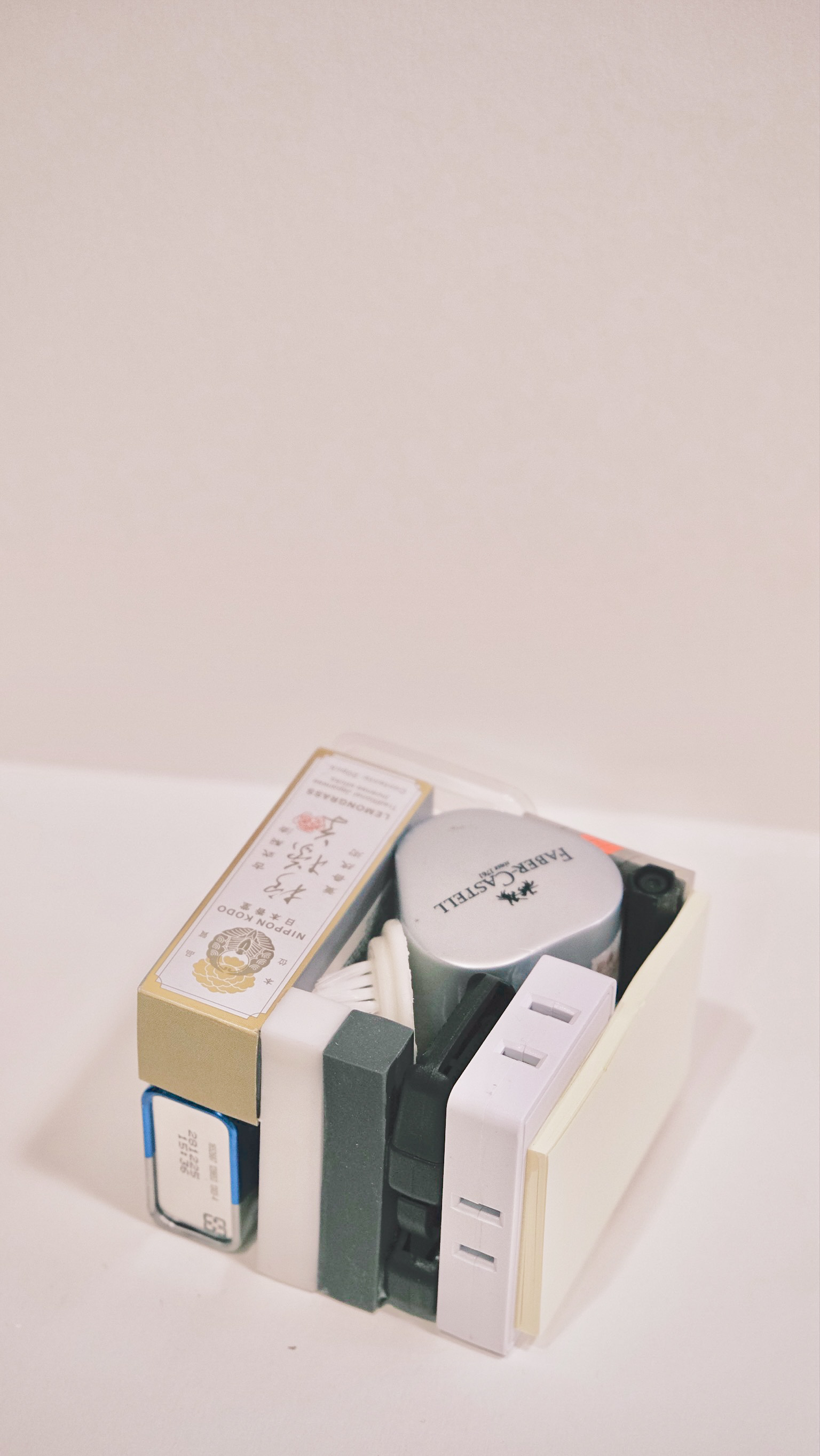
只能看著周遭的生活條件越來越少。桌子短了、床小了一點,「外」開始侵蝕這一切。
人們走著。每天重新經歷生活如何被切削到只剩下空、時間和自己。到最後,人站在幾乎什麼都沒有的地方,
不一定會得到答案,也不一定會感到解脫。在徒勞的重複裡,短暫地看見自己其實一直活在一套被相信的形式裡。
–
Observing parked motorcycles referencing each other, I translated this spatial "imitation" into
blocks, proving stability inevitably decays into chaos.
Scaled into a 21-story building with a rigid grid and equal floor areas, nine uninhabitable
blocks represent the "outside." Ruled by volume conservation, as floor heights compress
upwards, these blocks expand horizontally, dominating the interior.
Daily, you face slightly altered layouts. Imperceptible deviations strip away inertia. No grand
pilgrimage—just sleeping, eating, waiting. The "outside" erodes living conditions; beds and
desks shrink. Life is pared down to emptiness, time, and self.
The barren top brings neither answers nor liberation. Through futile repetition, one fleetingly
realizes they merely inhabit a constructed belief.